(Currently in post-production. Additional visuals and final footage coming soon.)
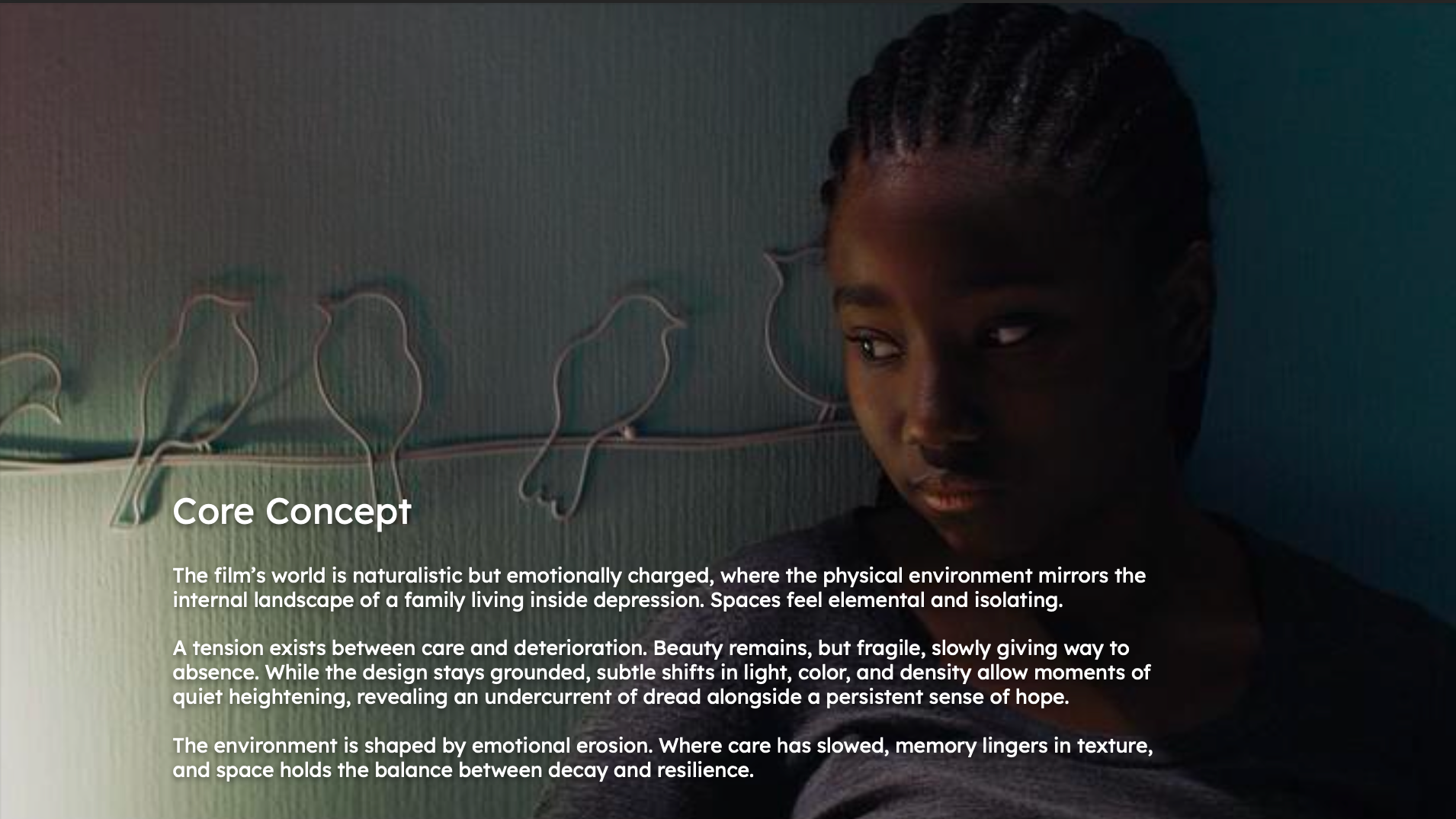
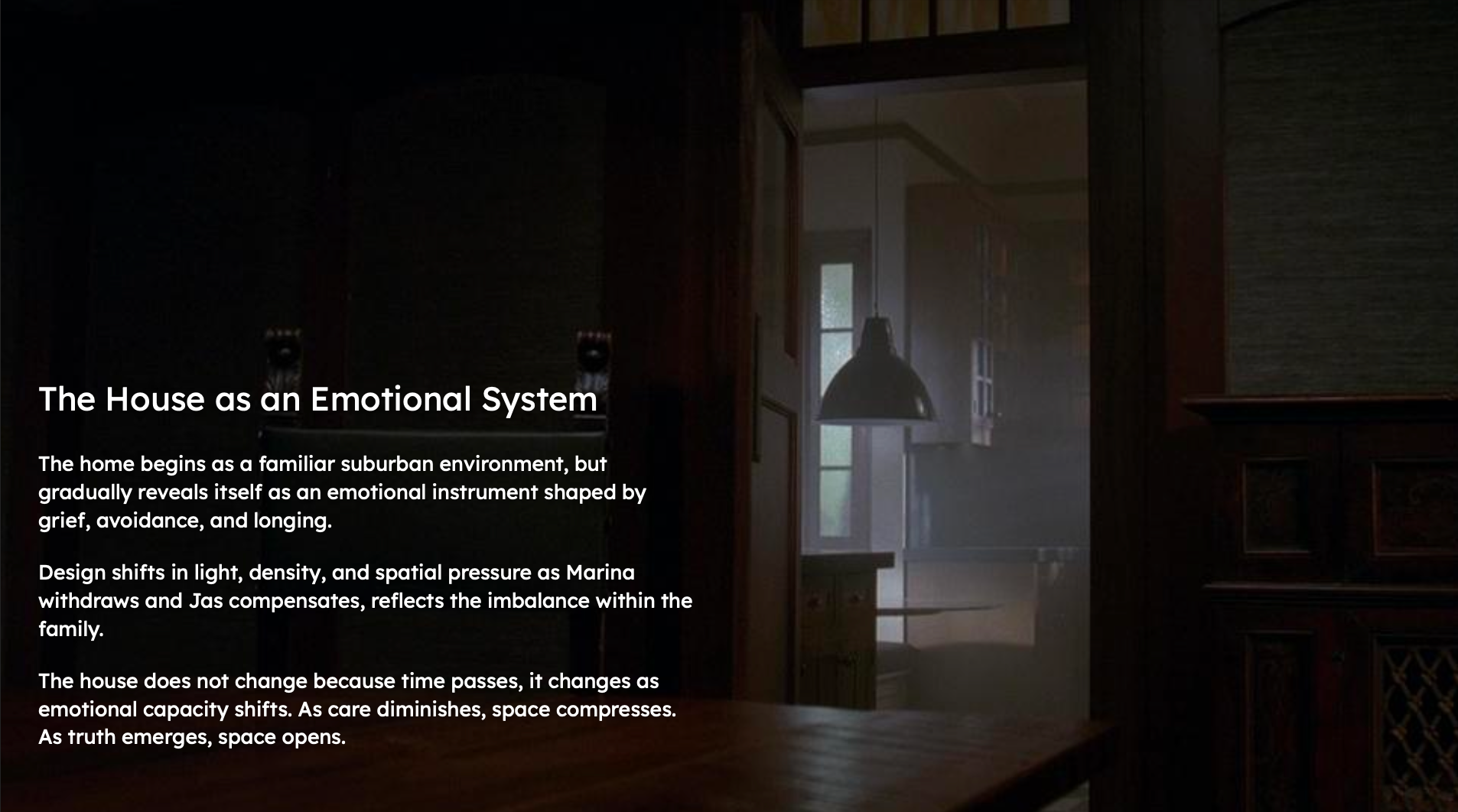
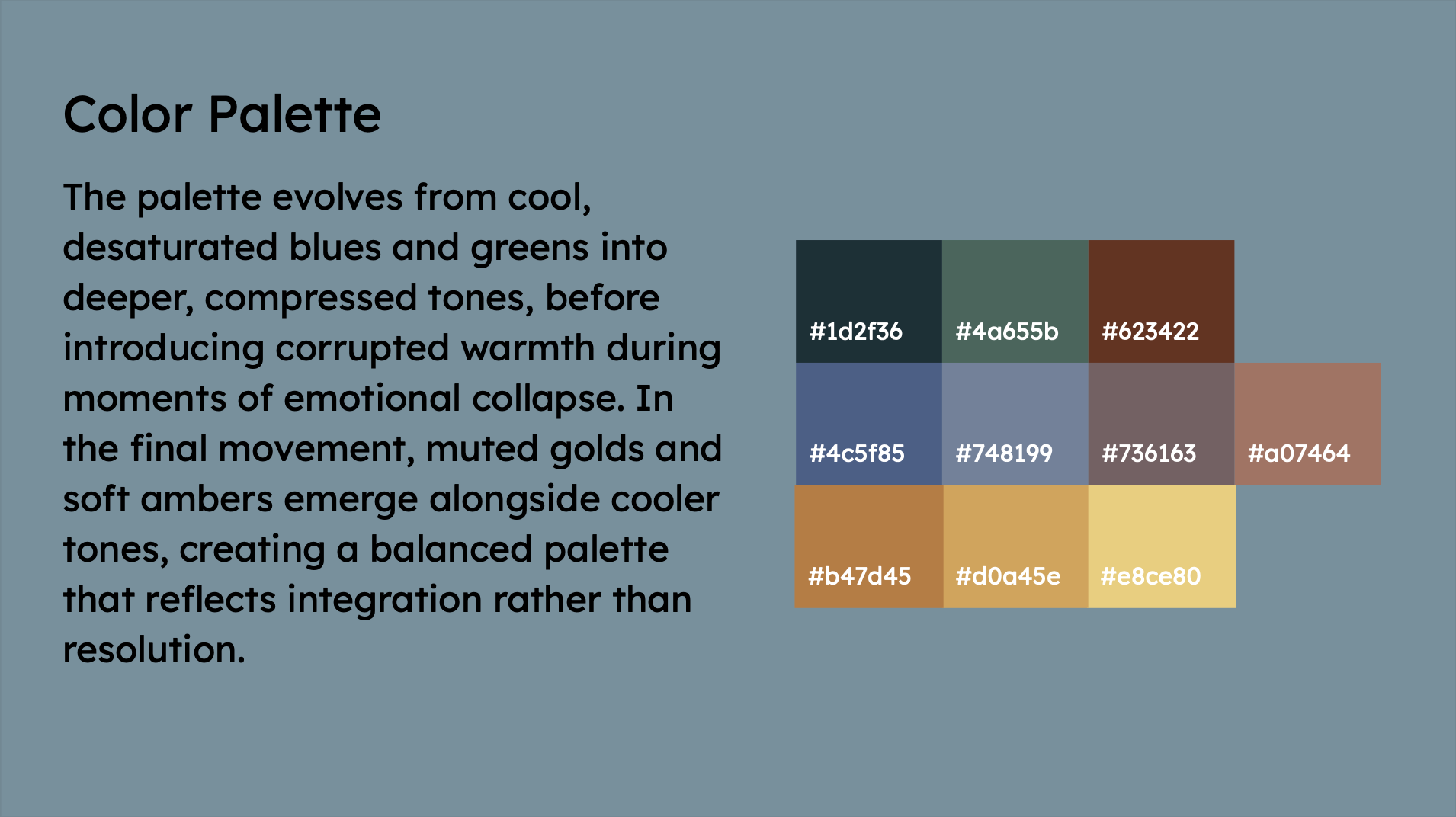
I developed a visual system where environment and wardrobe mirror emotional collapse and reemergence. Because the film is largely set within the house, it functions as an emotional system. Space compresses, isolates, and reopens in response to emotional capacity.
The world remains grounded, with subtle shifts in light, color, and space tracking disconnection and return. The physical world holds the weight of what cannot be spoken.
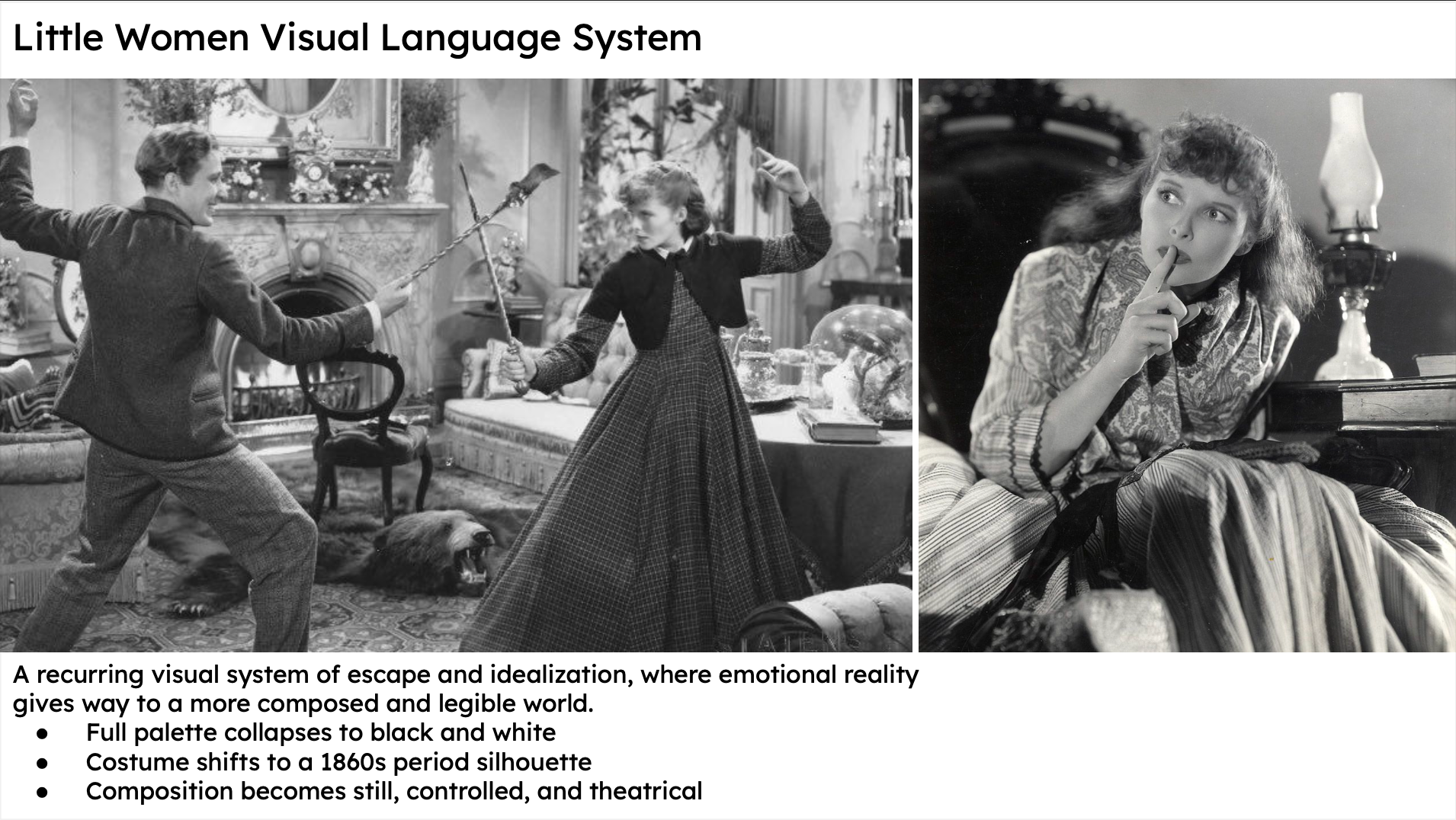
A recurring Little Women-inspired visual system introduces moments of escape and idealization collapsing the palette into black and white, shifting costume into period silhouette, and allowing emotional reality to give way to a more composed, theatrical world.Visual System:
Environment in Practice:
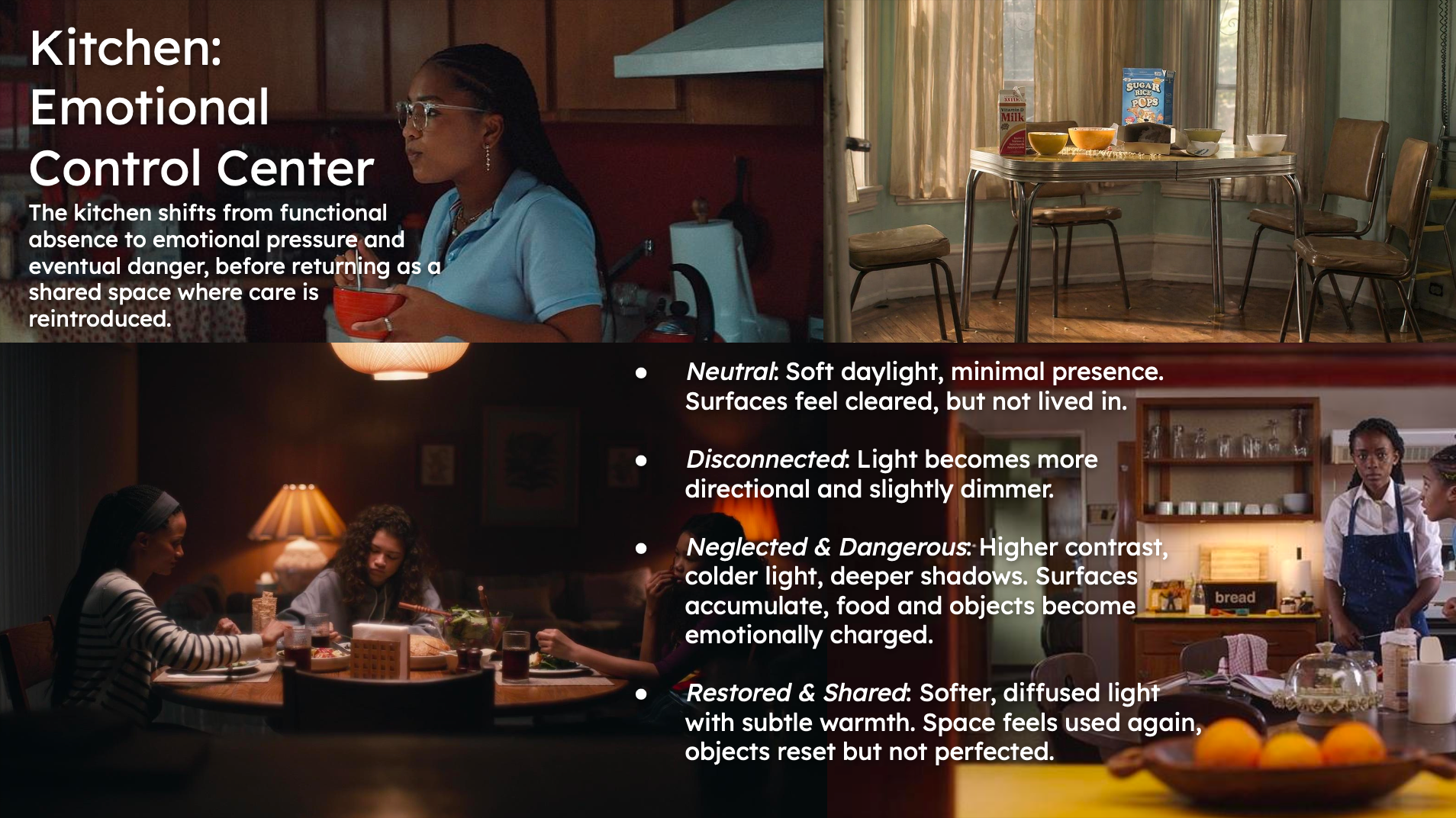
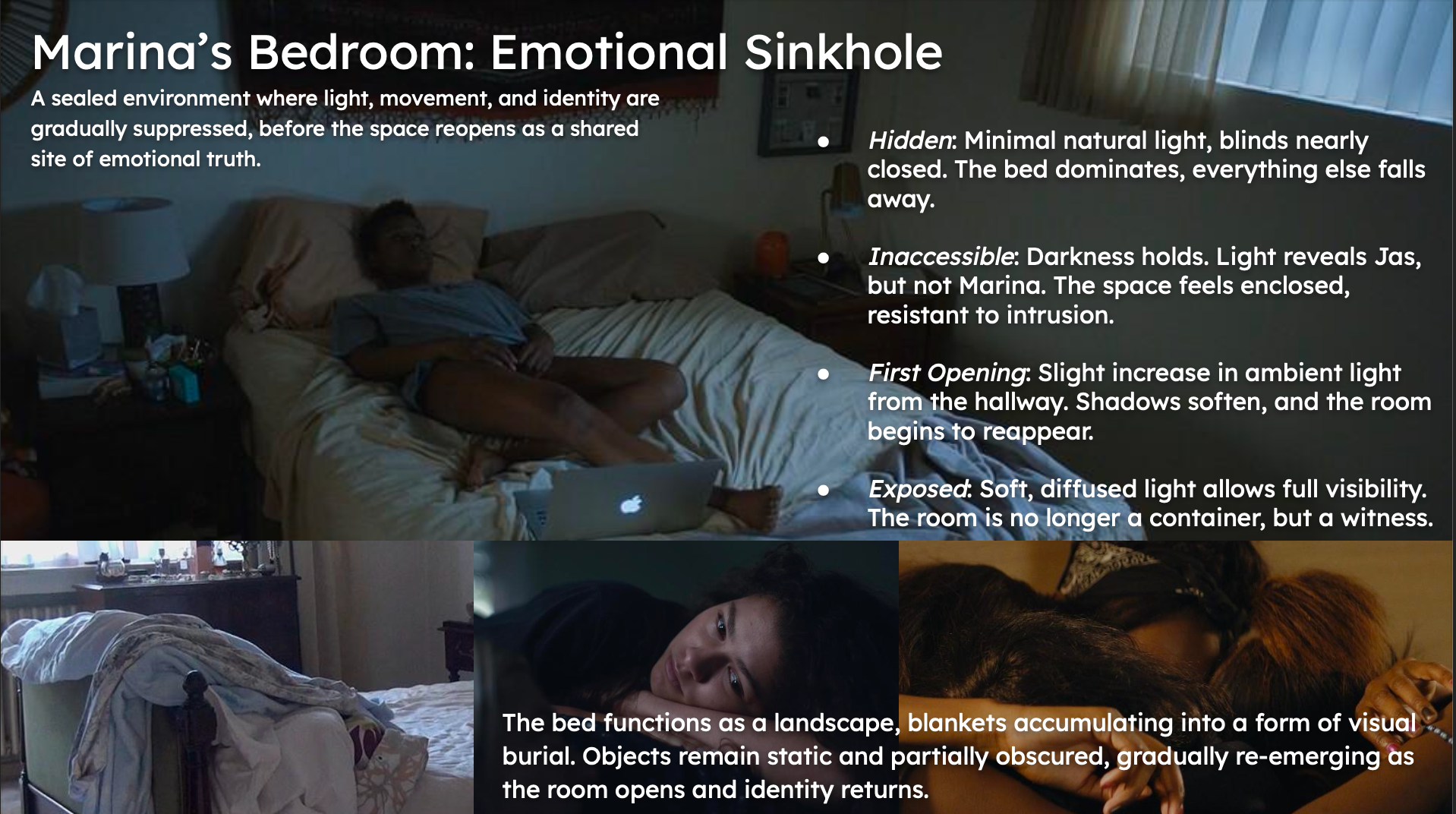
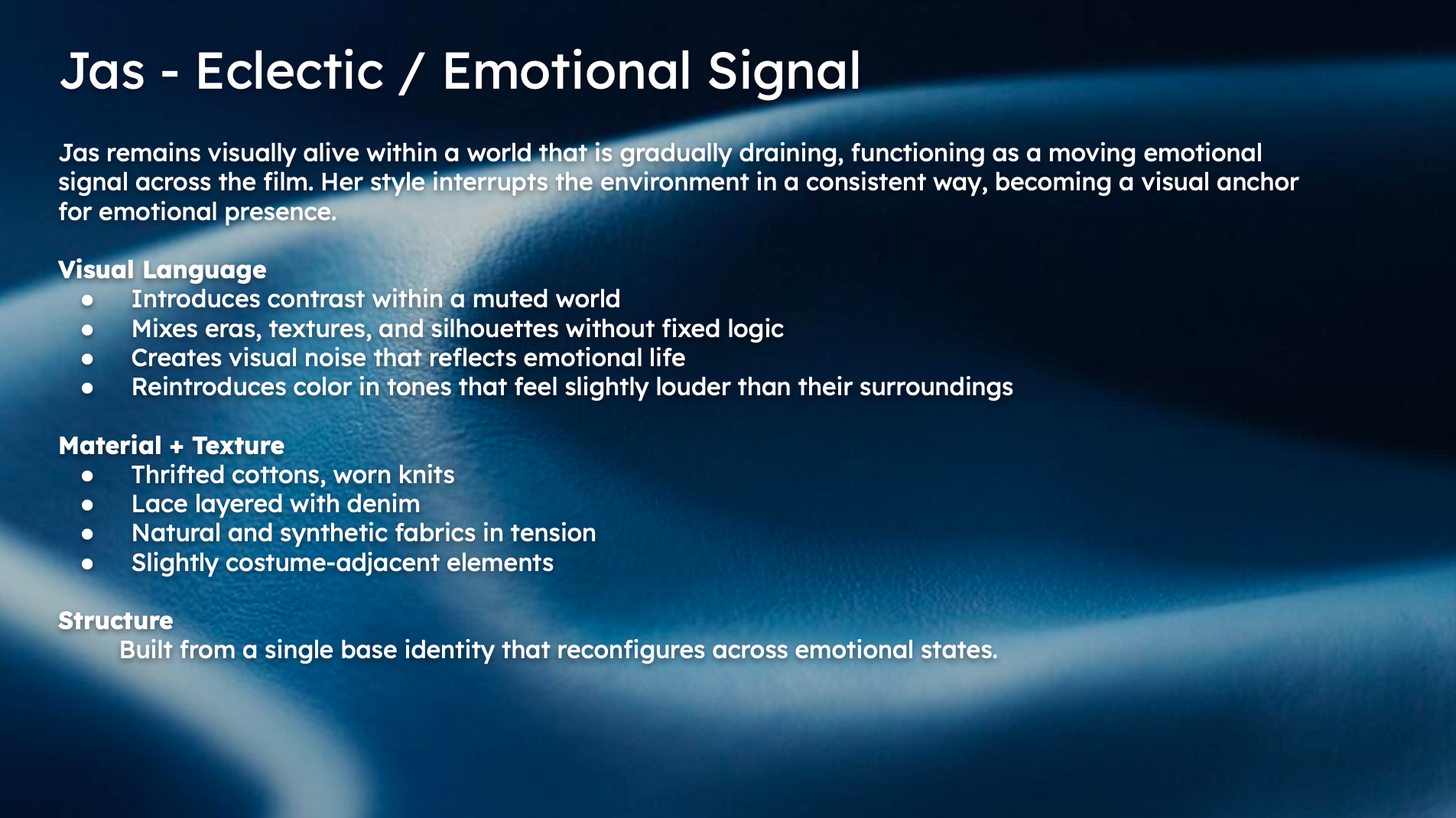
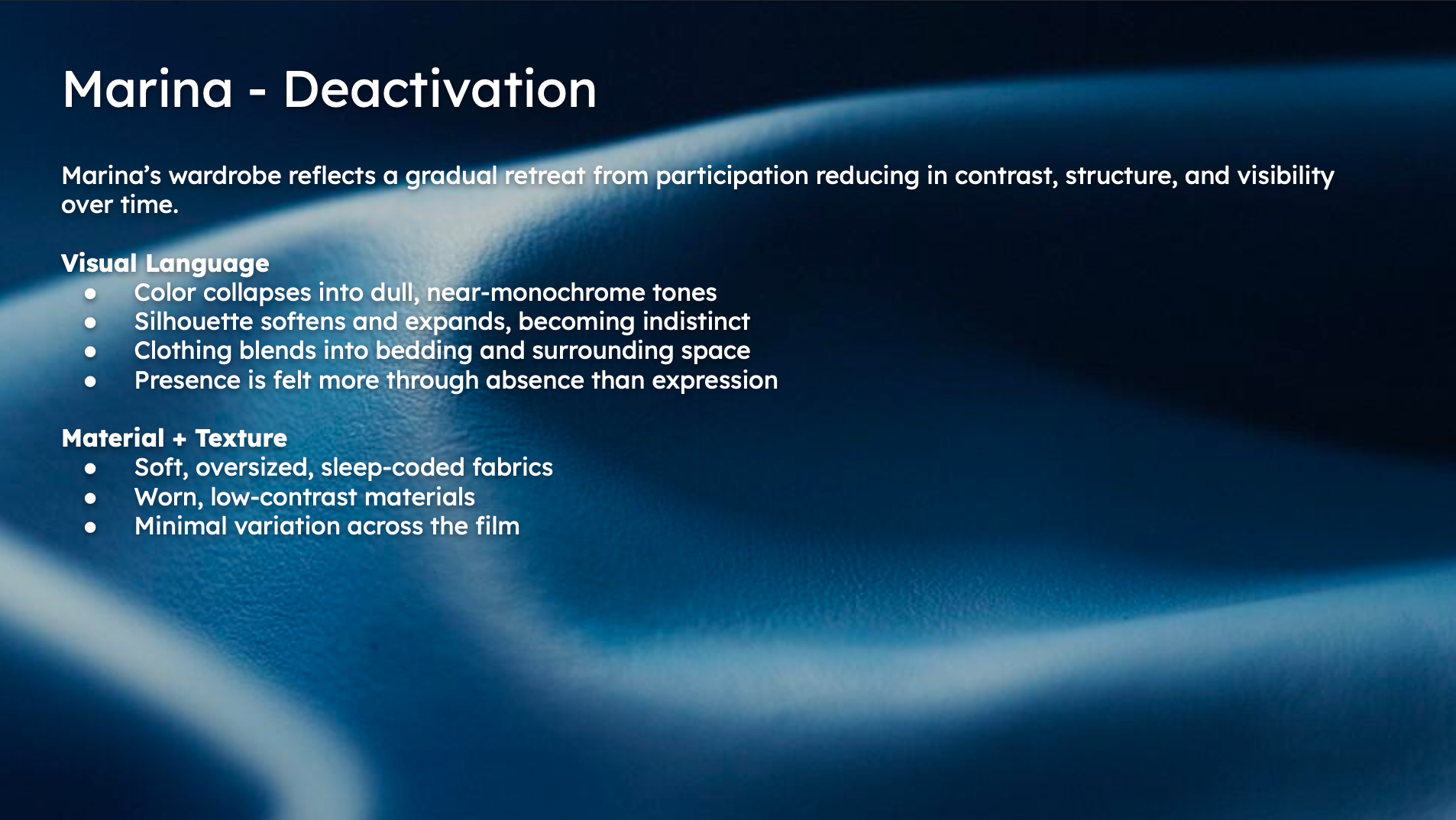
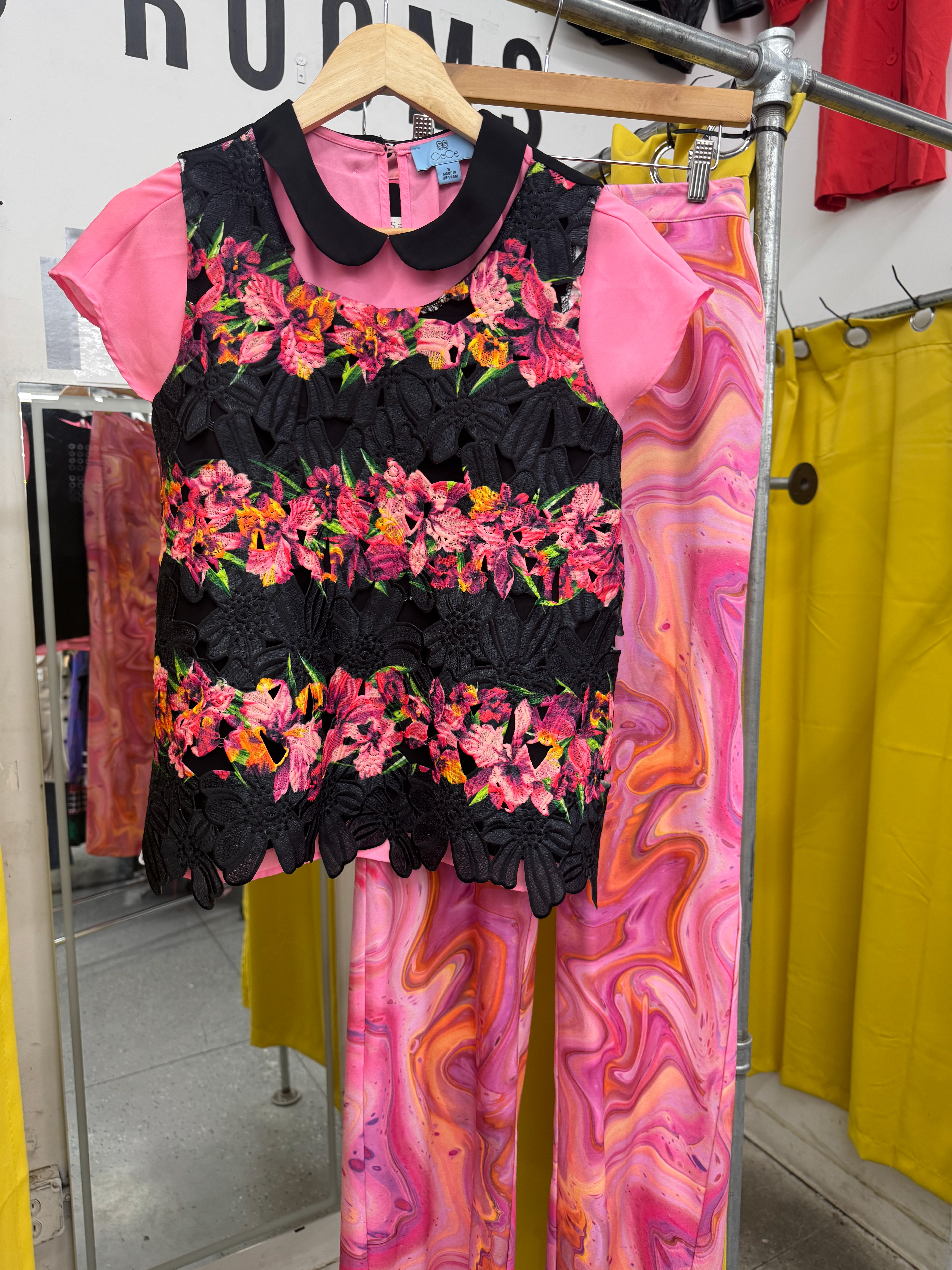
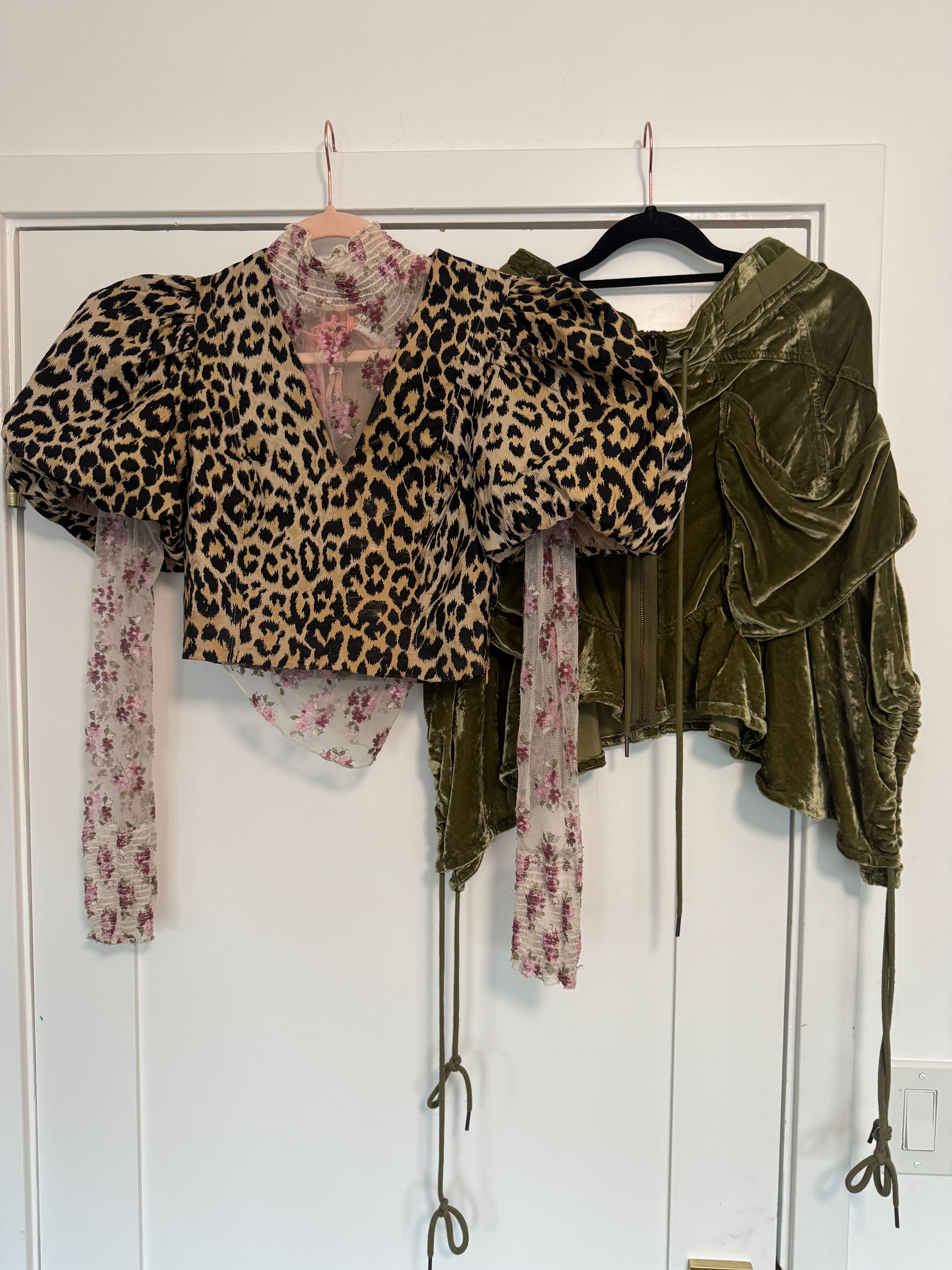
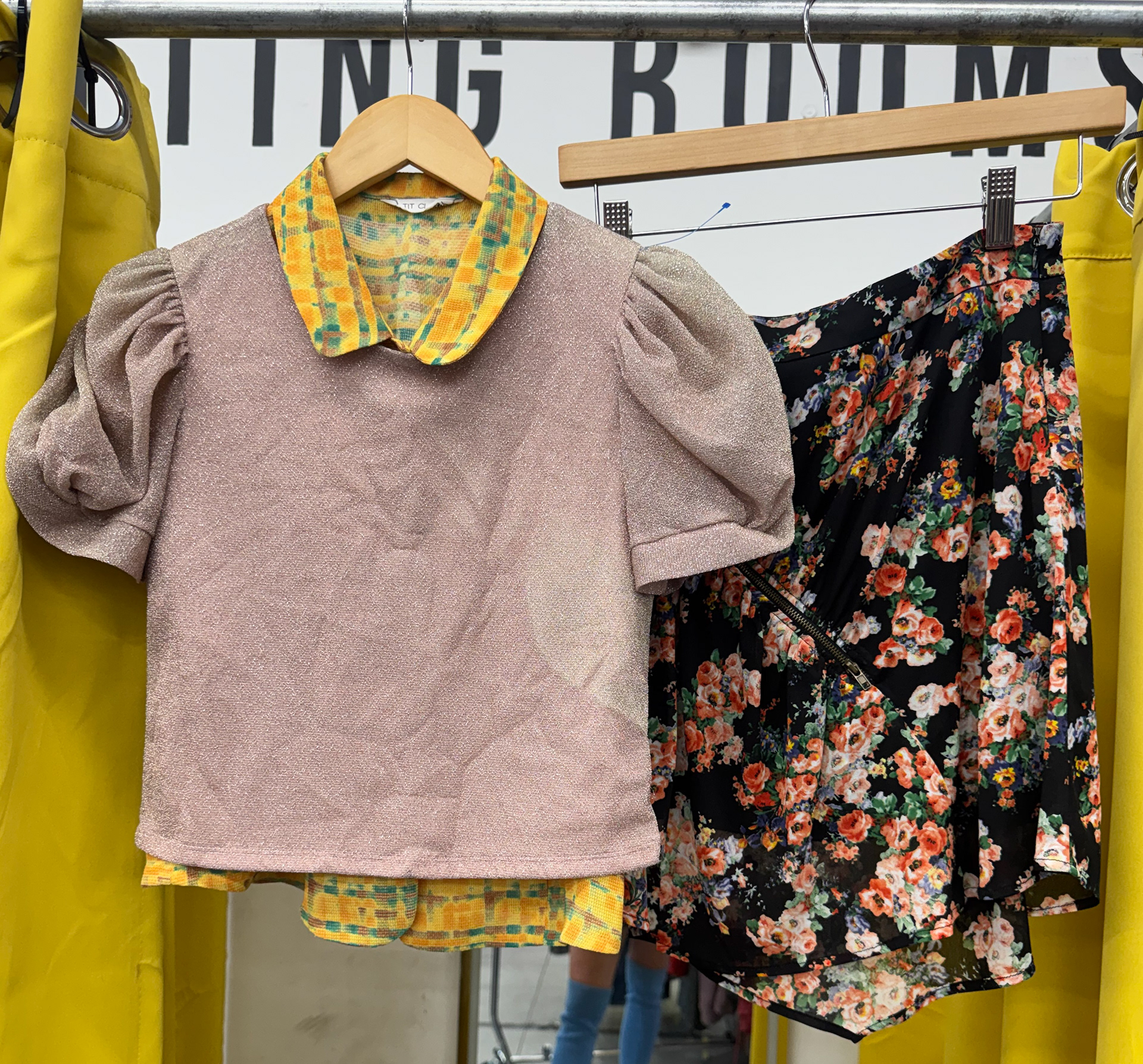
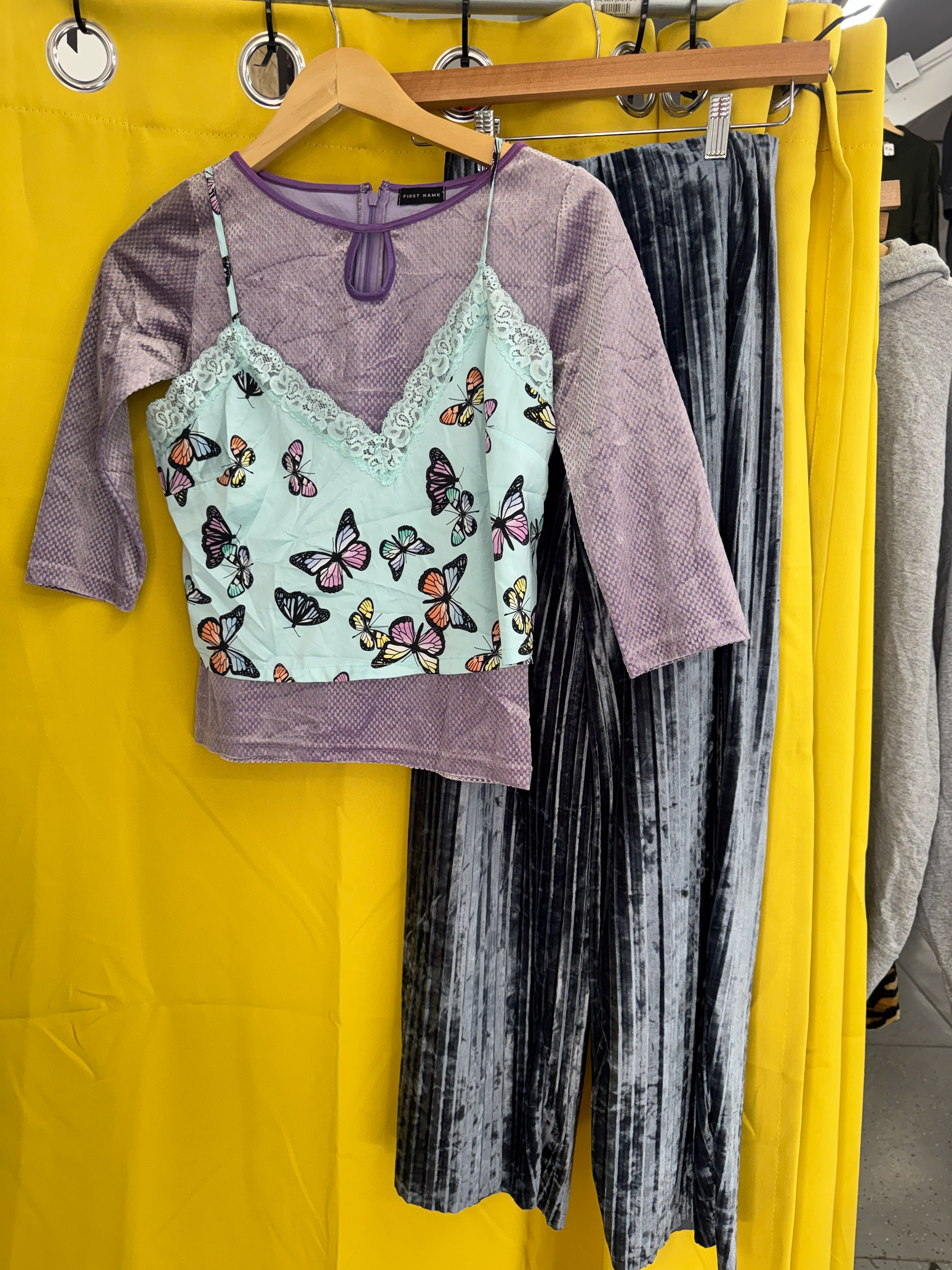
Costume reinforces the design concept through contrast. Jas remains visually expressive, acting as a living emotional signal within the frame. Marina’s presence dissolves into her environment, and supporting characters remain visually grounded within the palette.
Character through Costume:
Selected Costume Pulls for Jas:
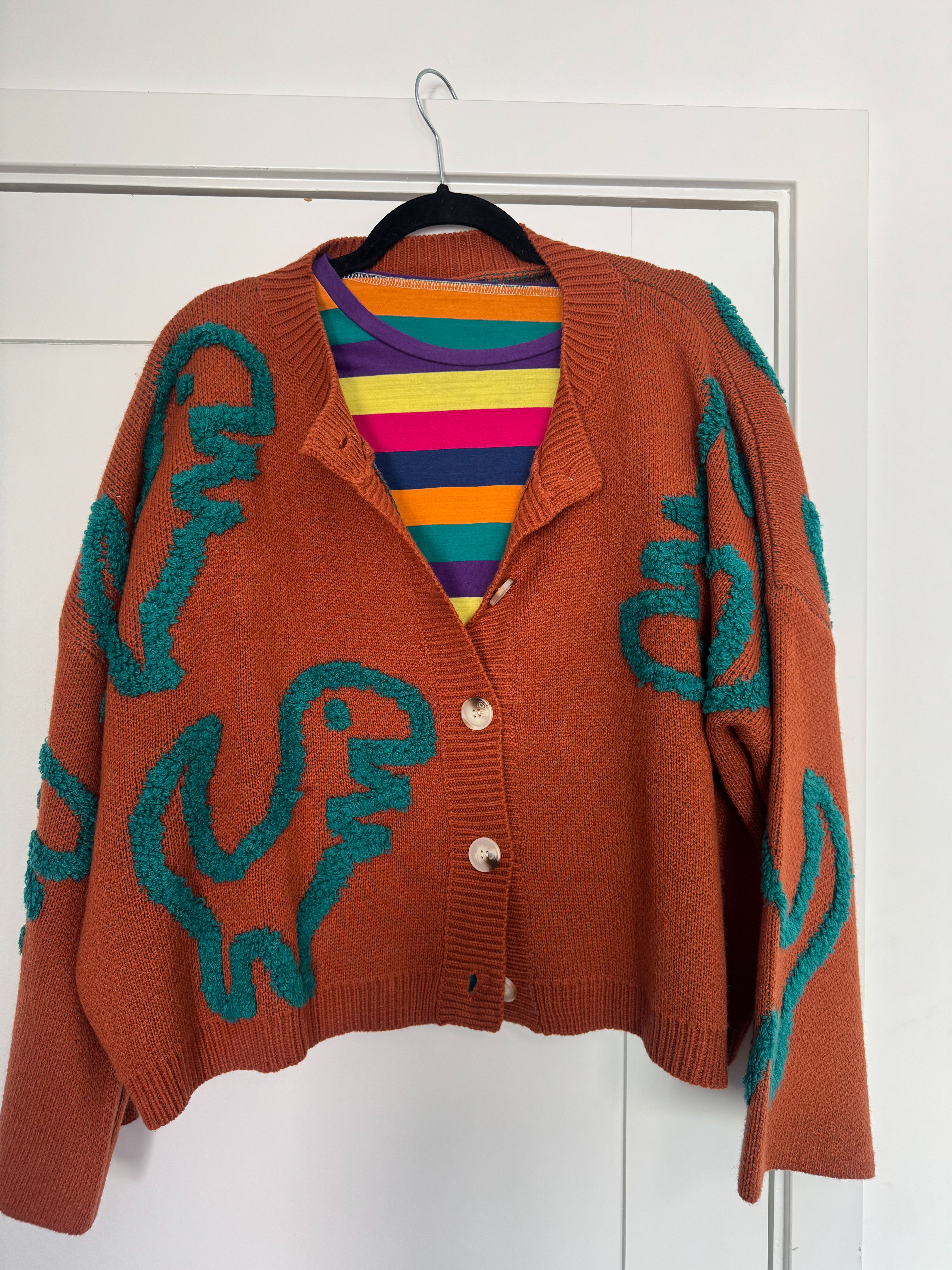
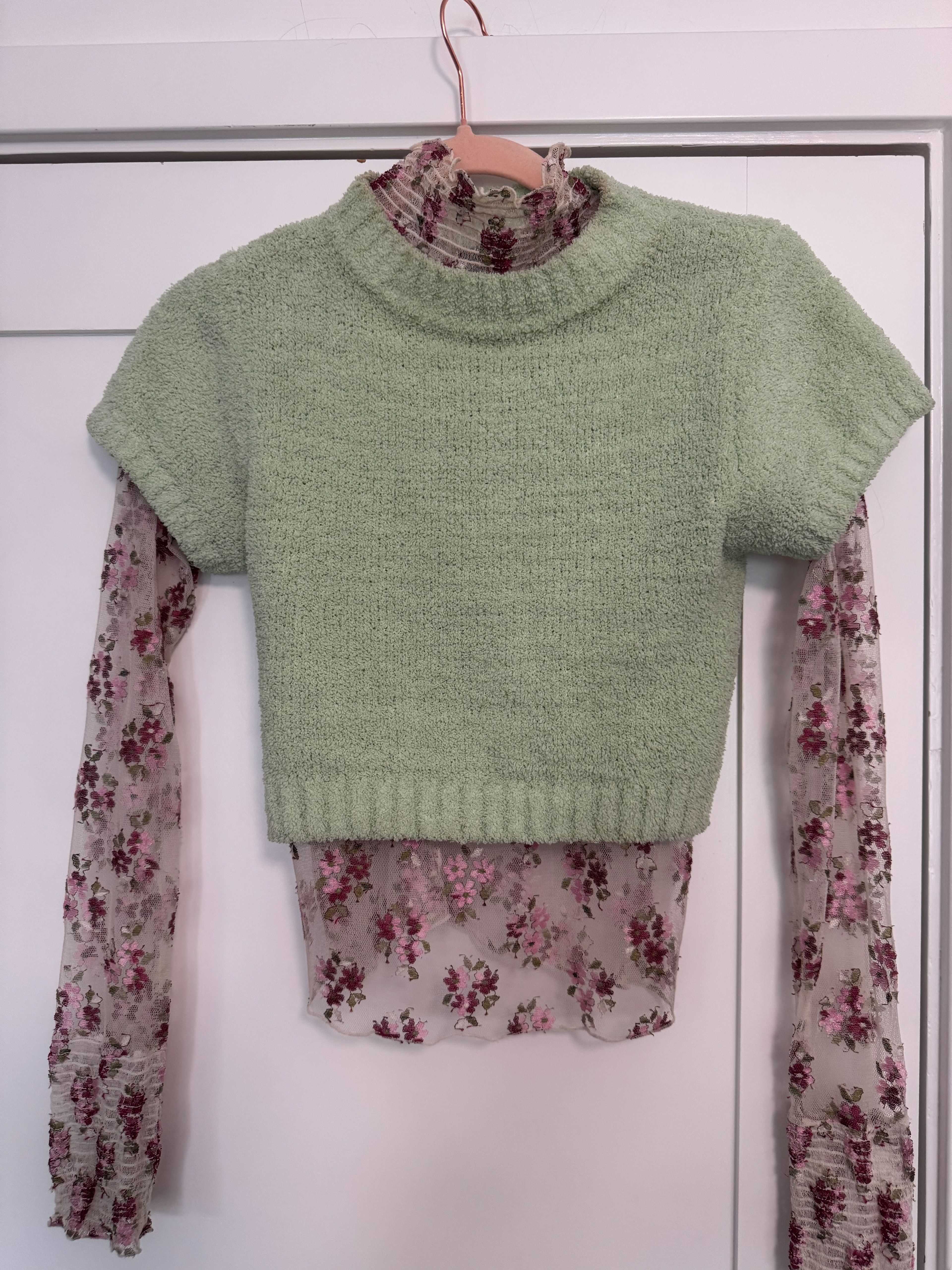
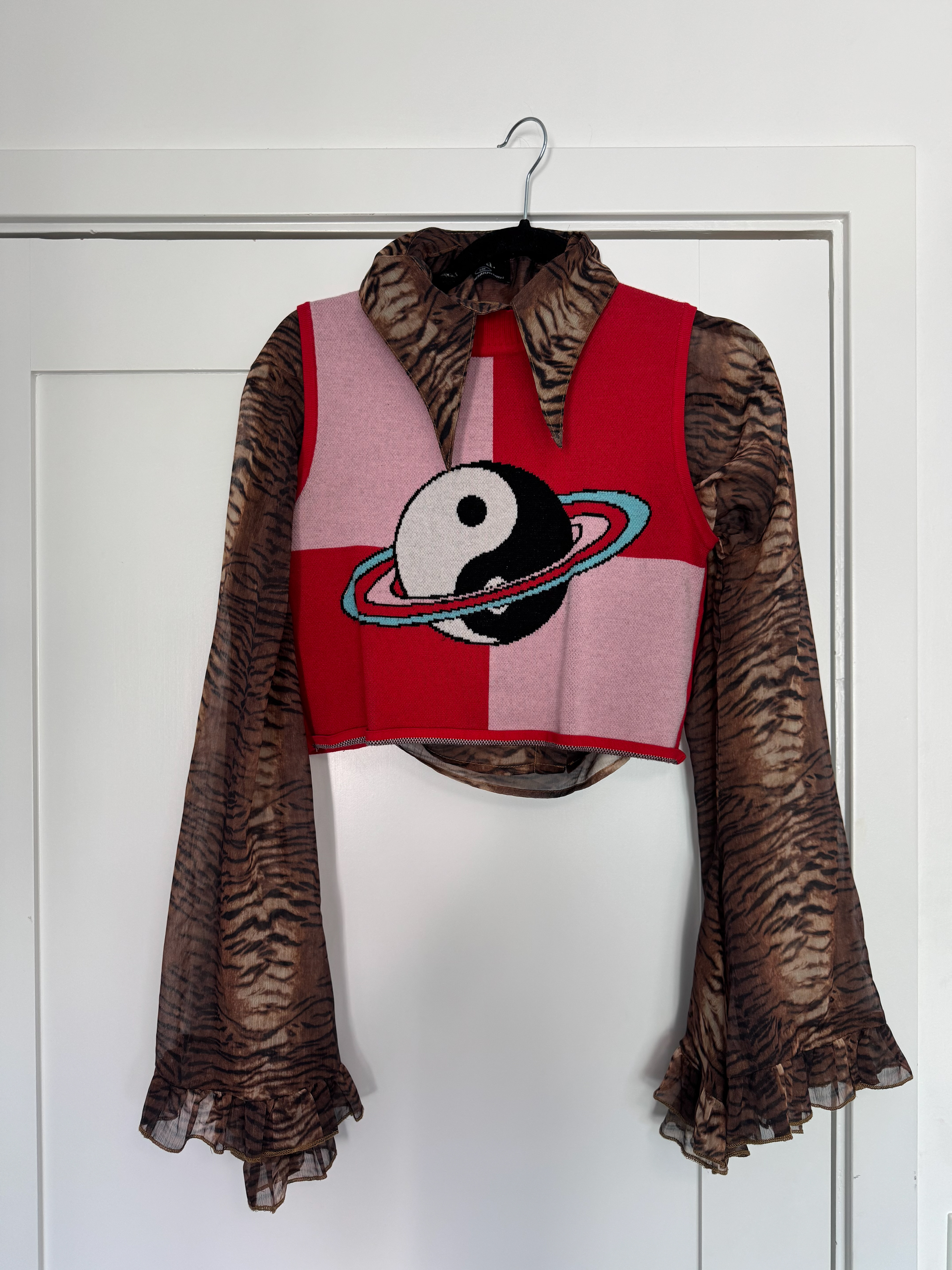
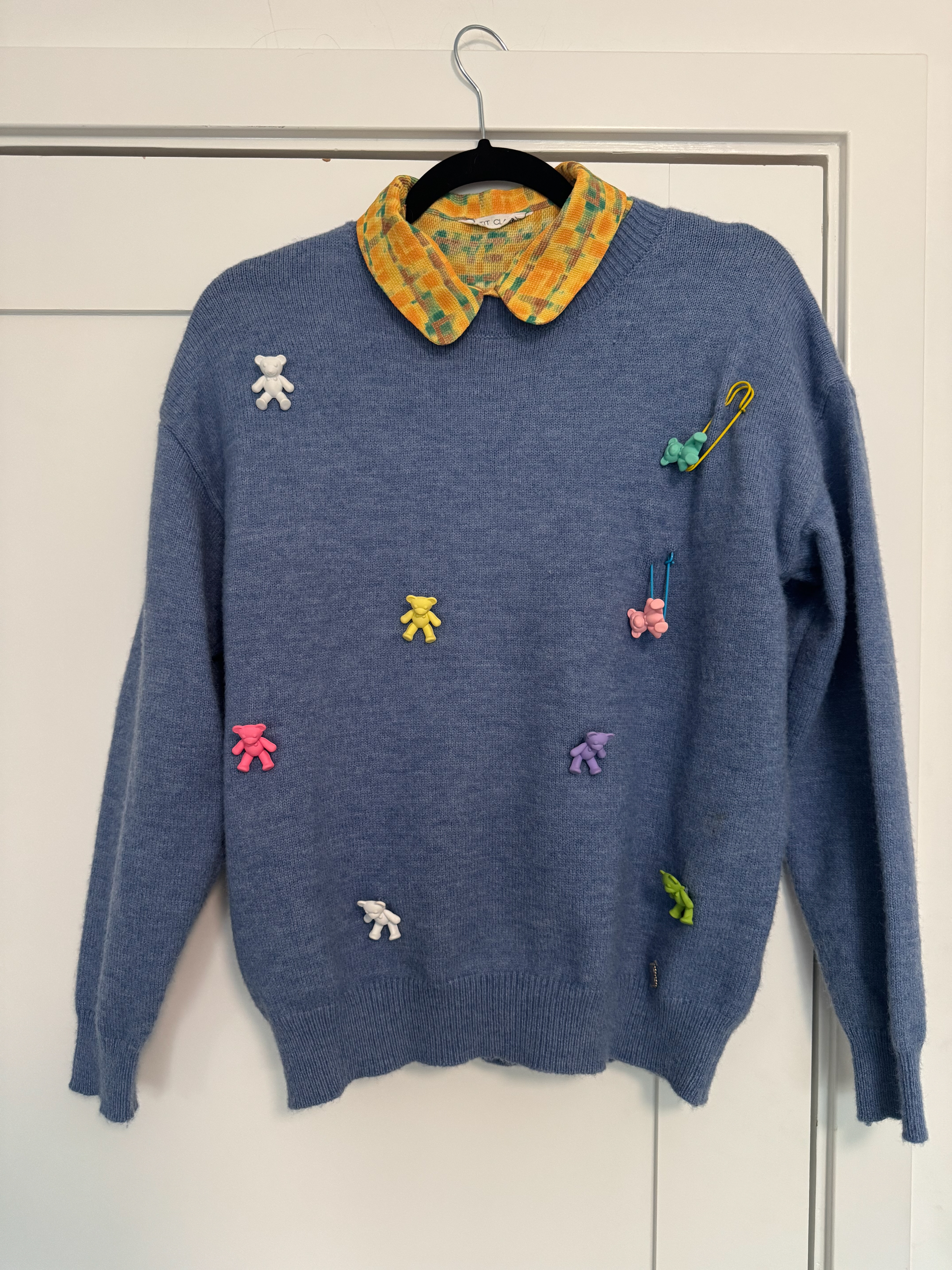
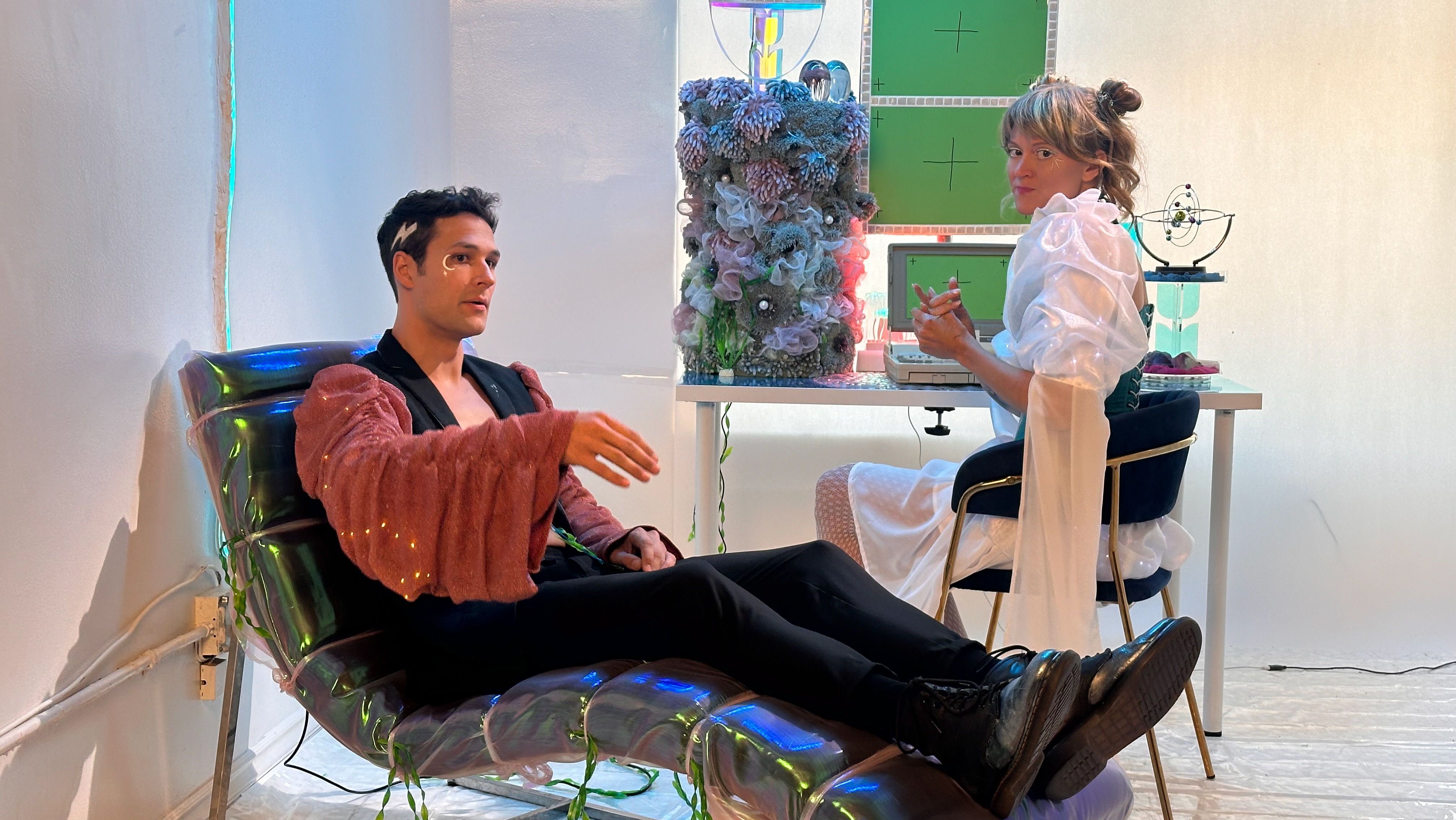
Onset/BTS:
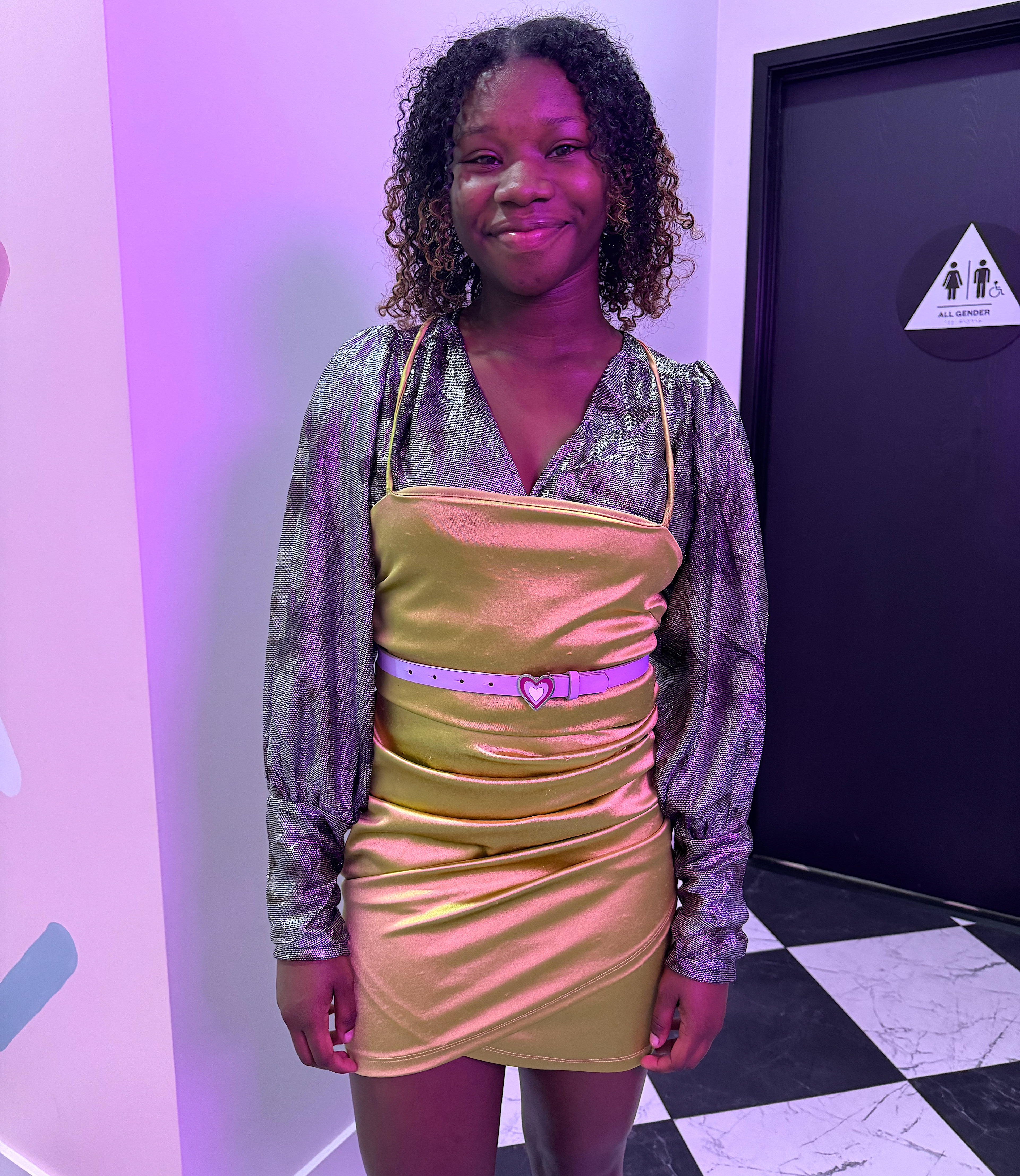
Jas onset costume
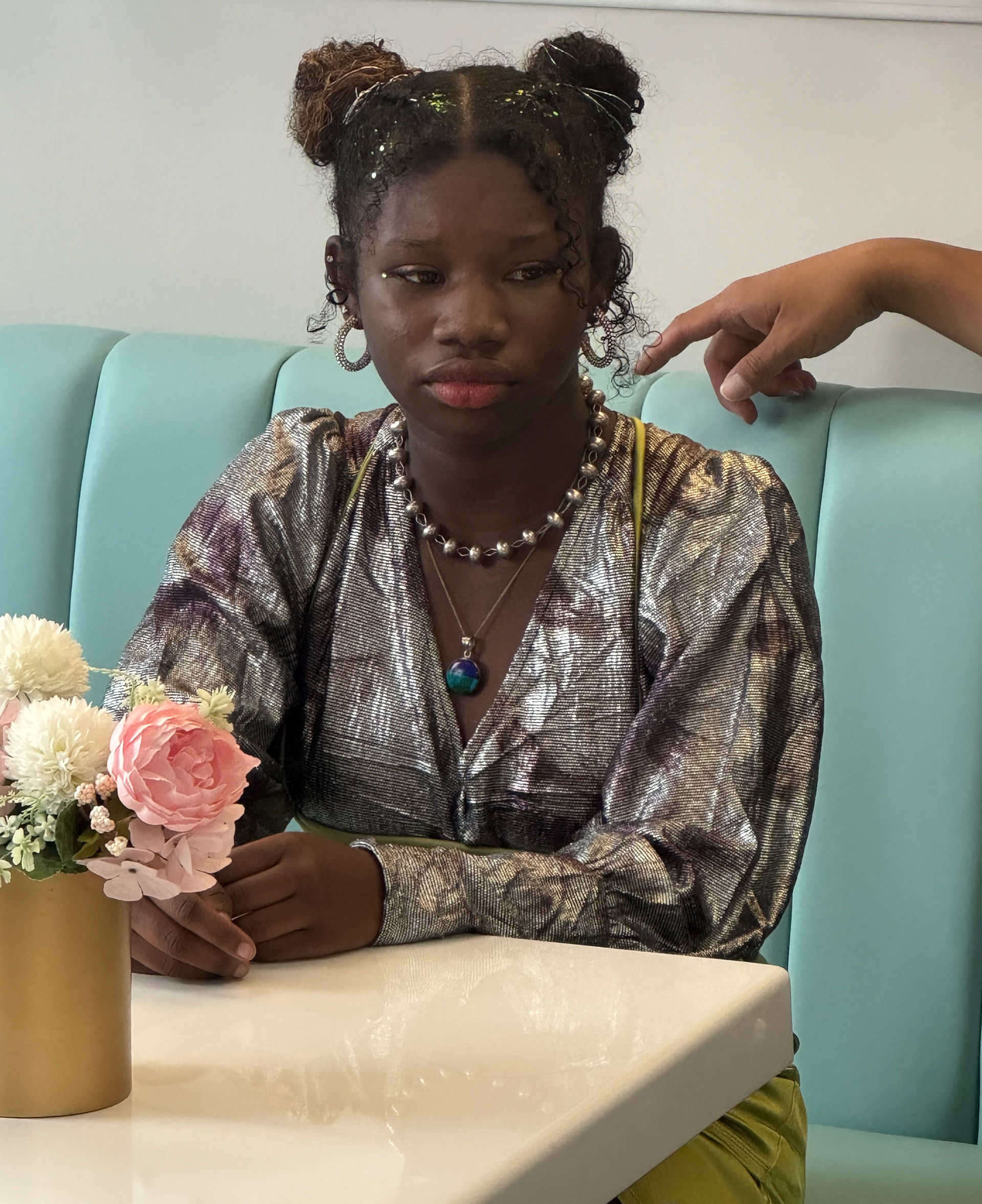
Jas onset w/ hmu
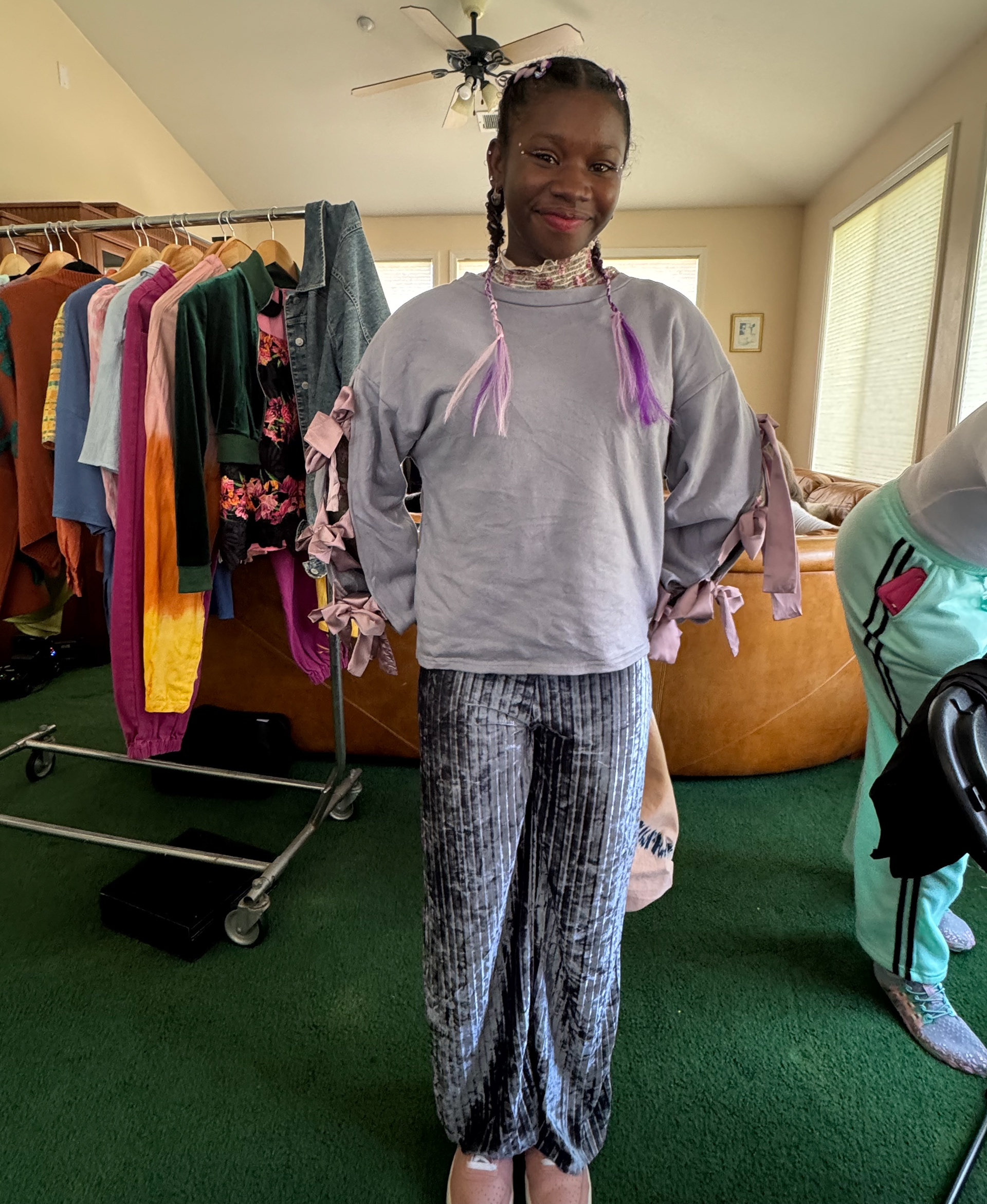
Jas onset w/ hmu
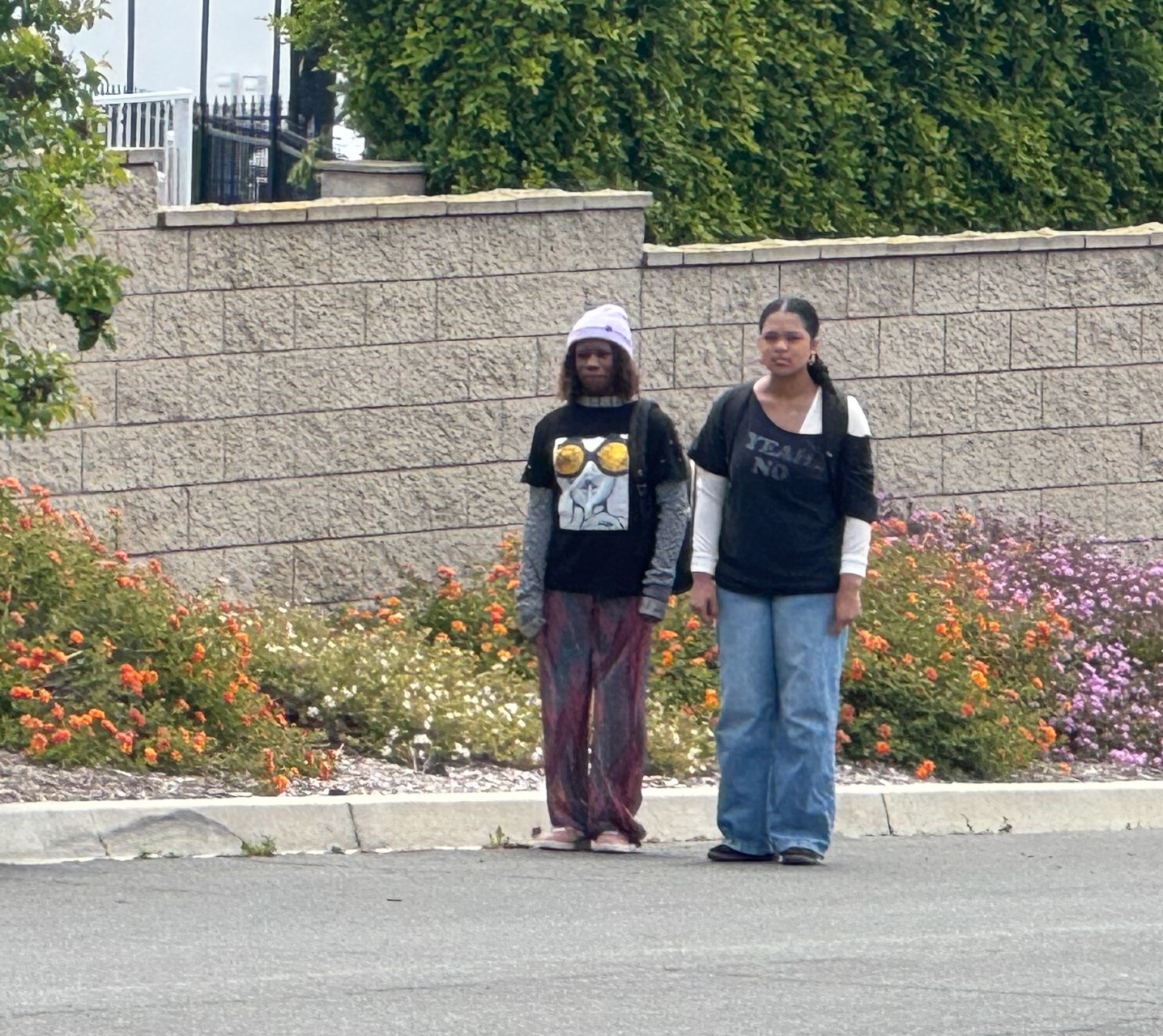
Jas and Lauren onset costumes
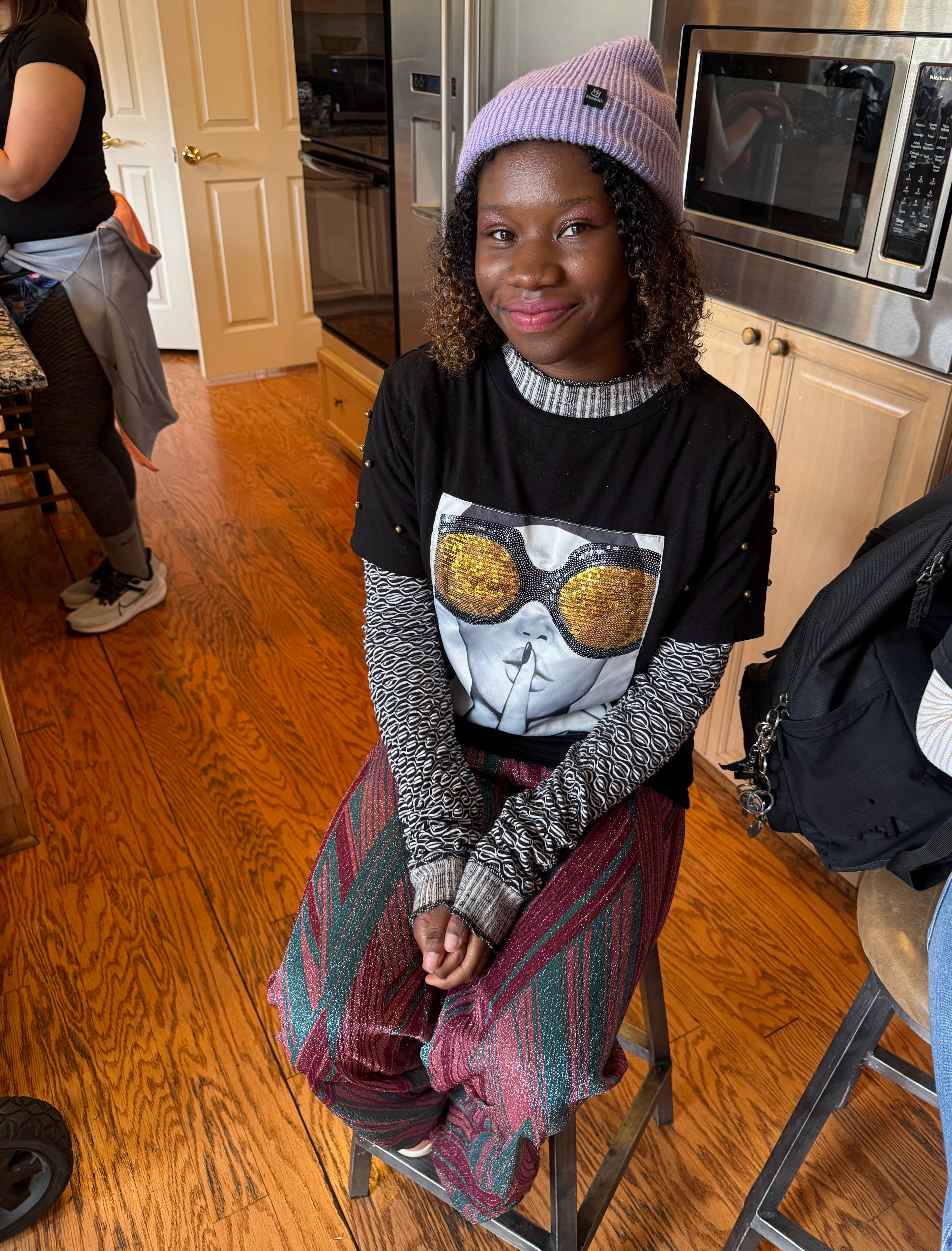
Jas onset costume

Jas and Lauren onset costumes
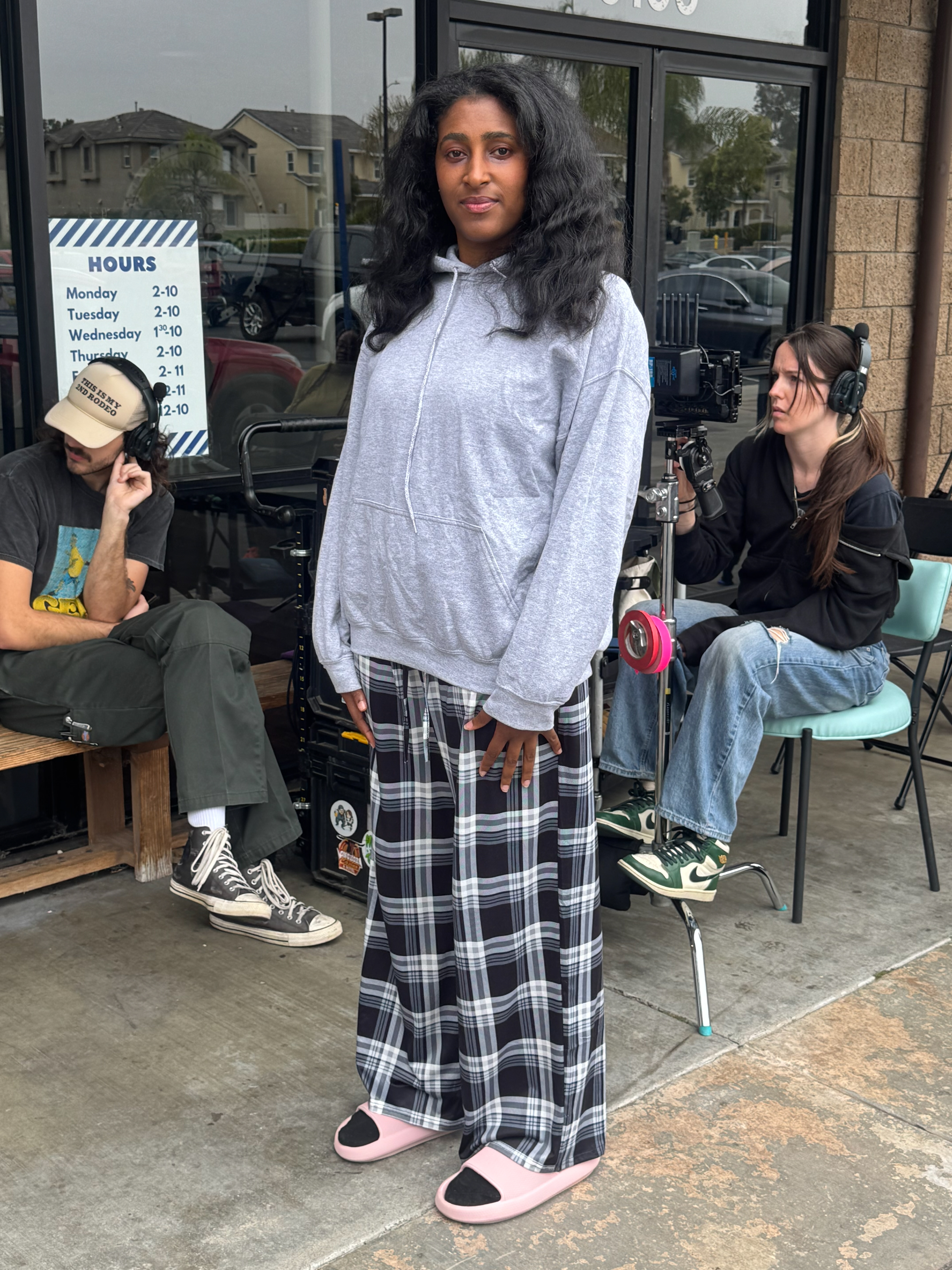
Marina onset outfit (depression uniform)
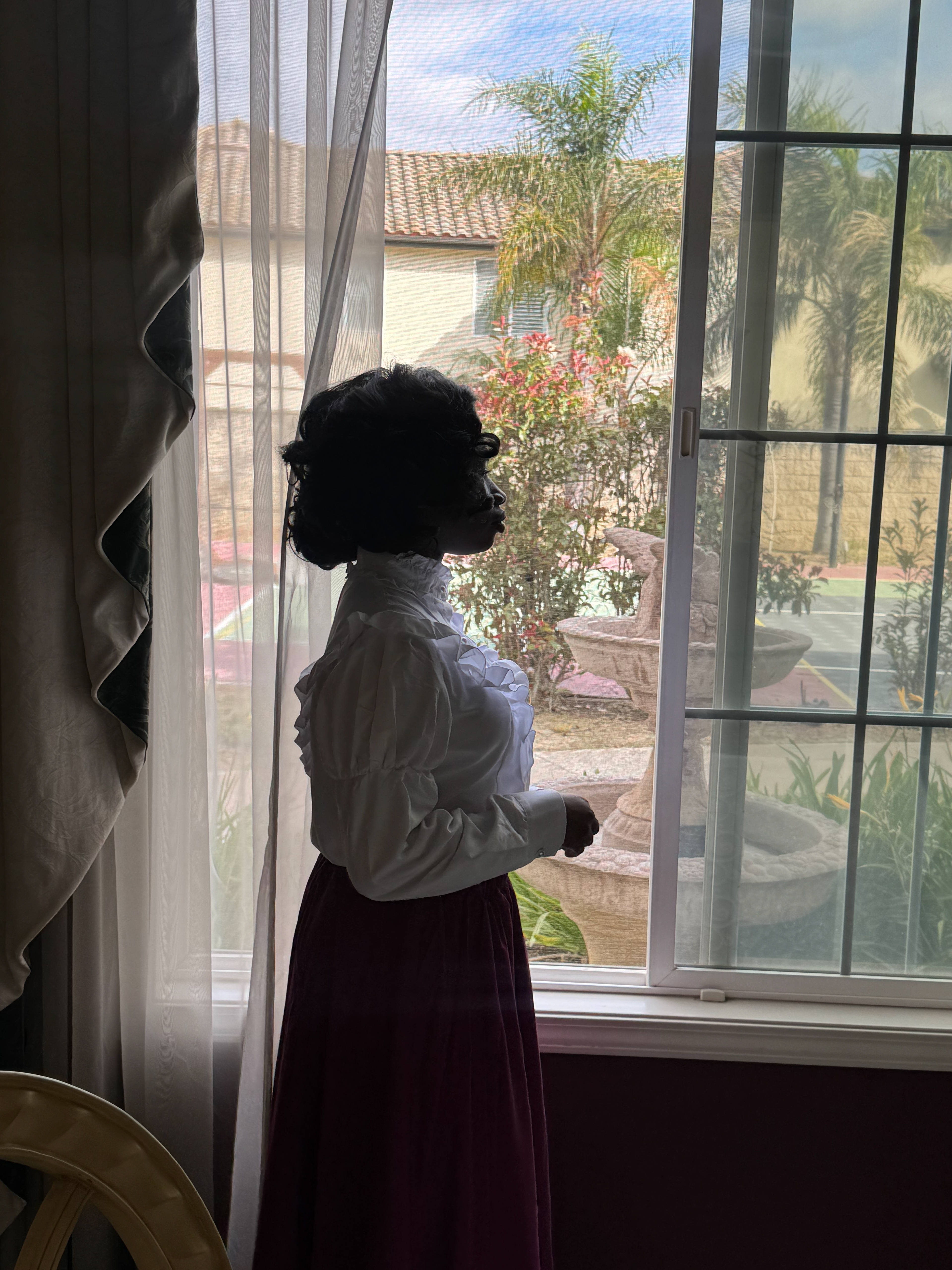
Onset photo of Jas in Little Women costume
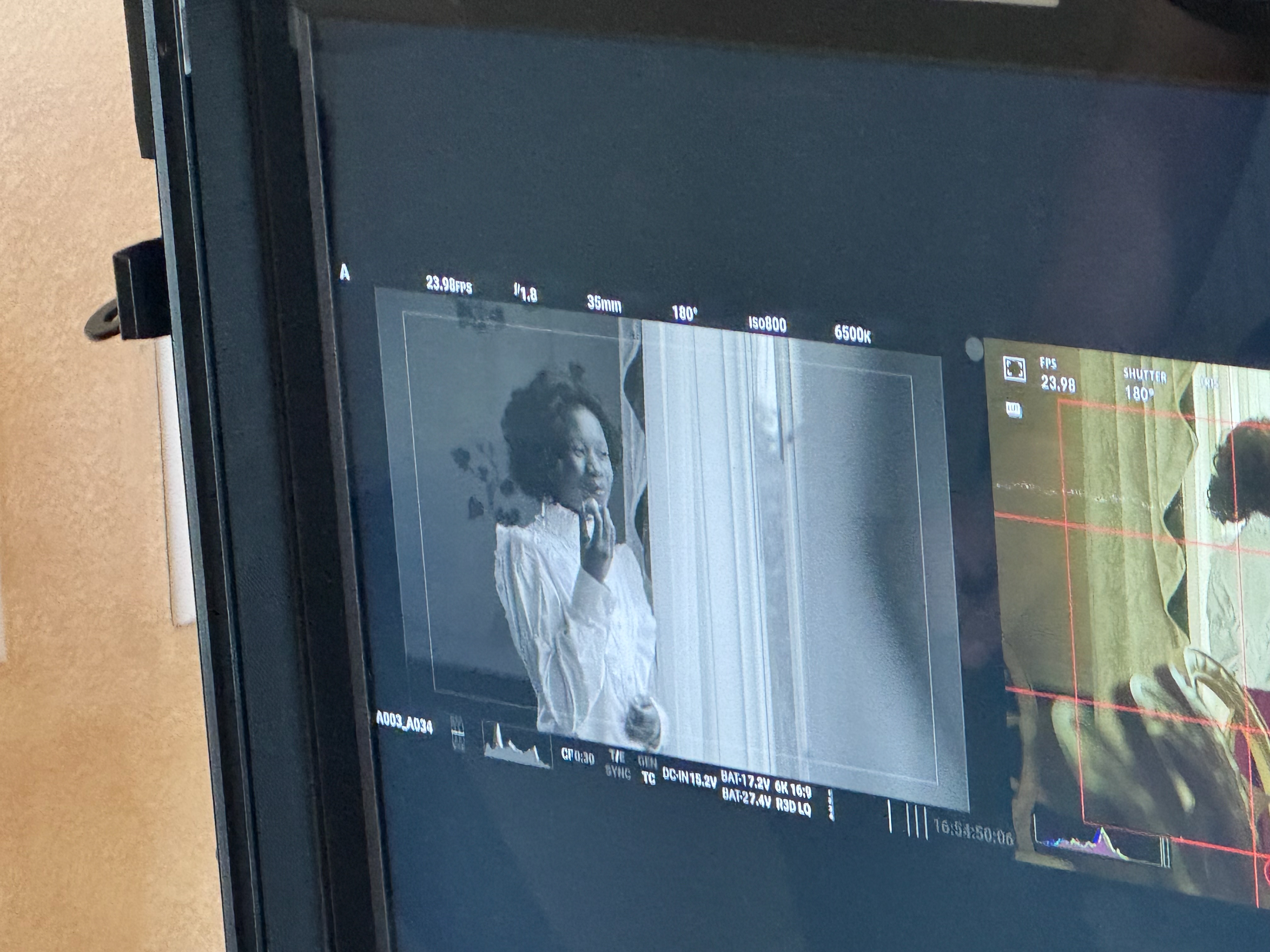
Onset photo of Jas in Little Women costume
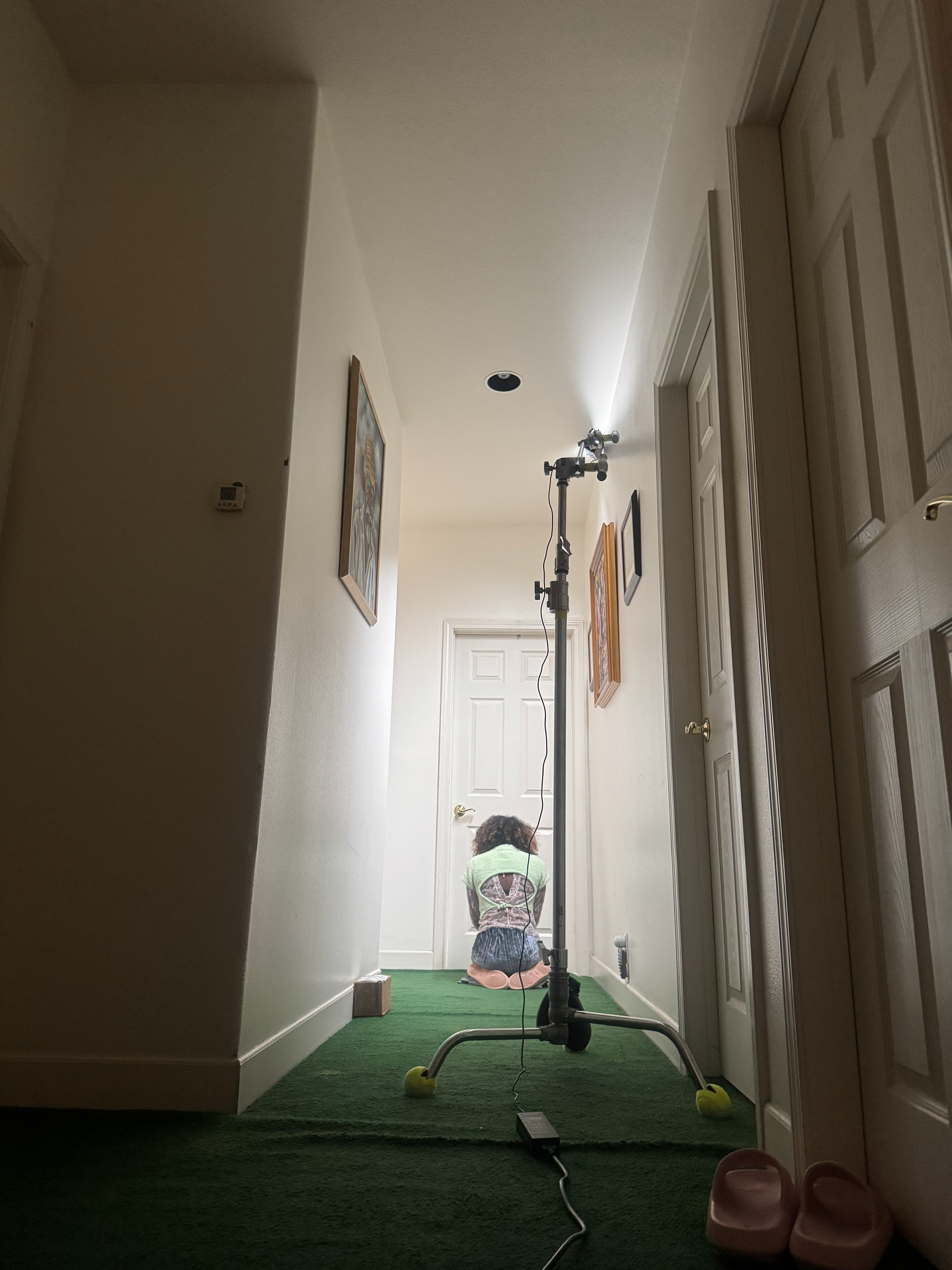
Onset photo of Jas praying outside Marina's door
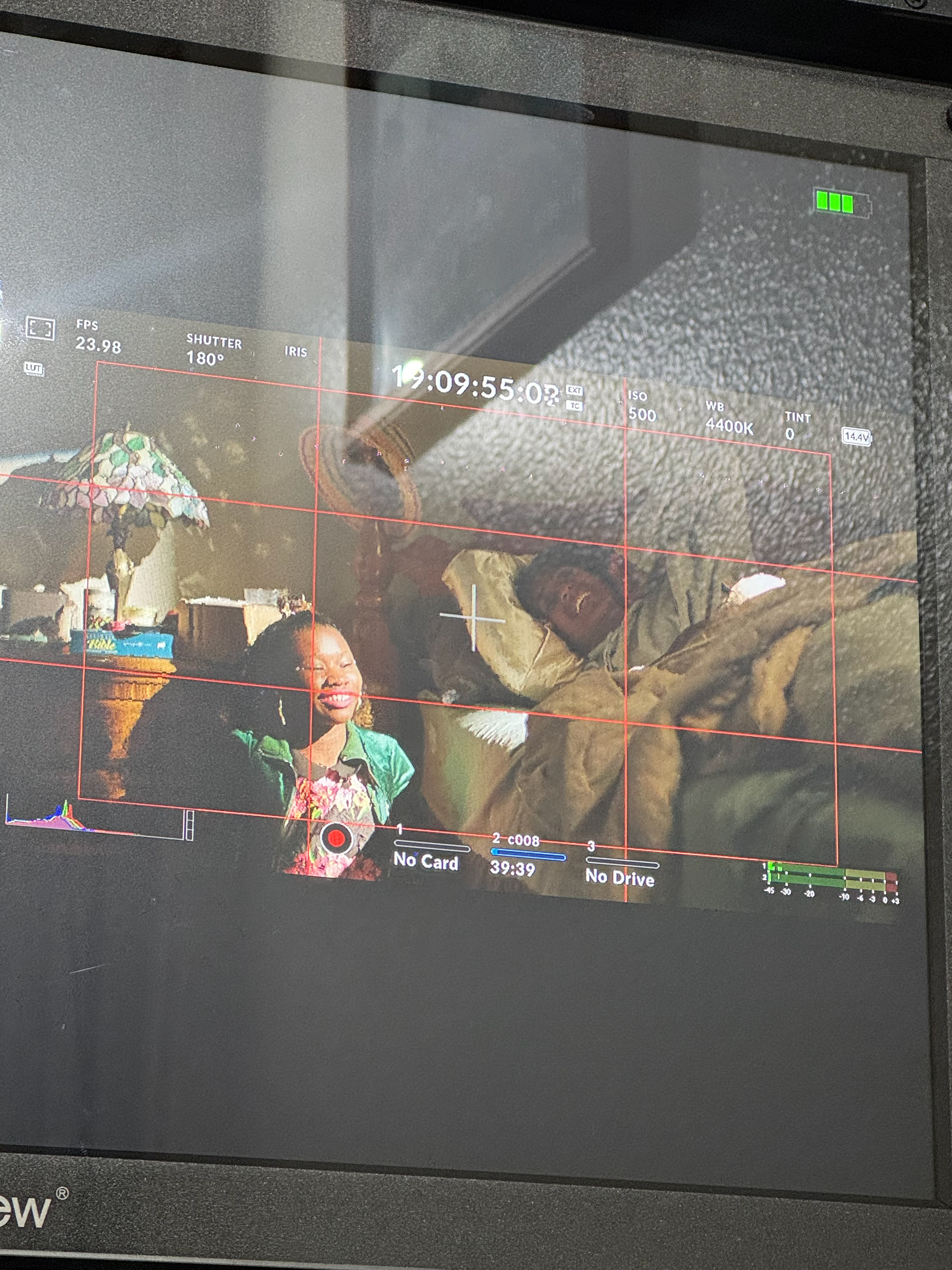
Onset photo of Jas and Marina
Jas HMU:


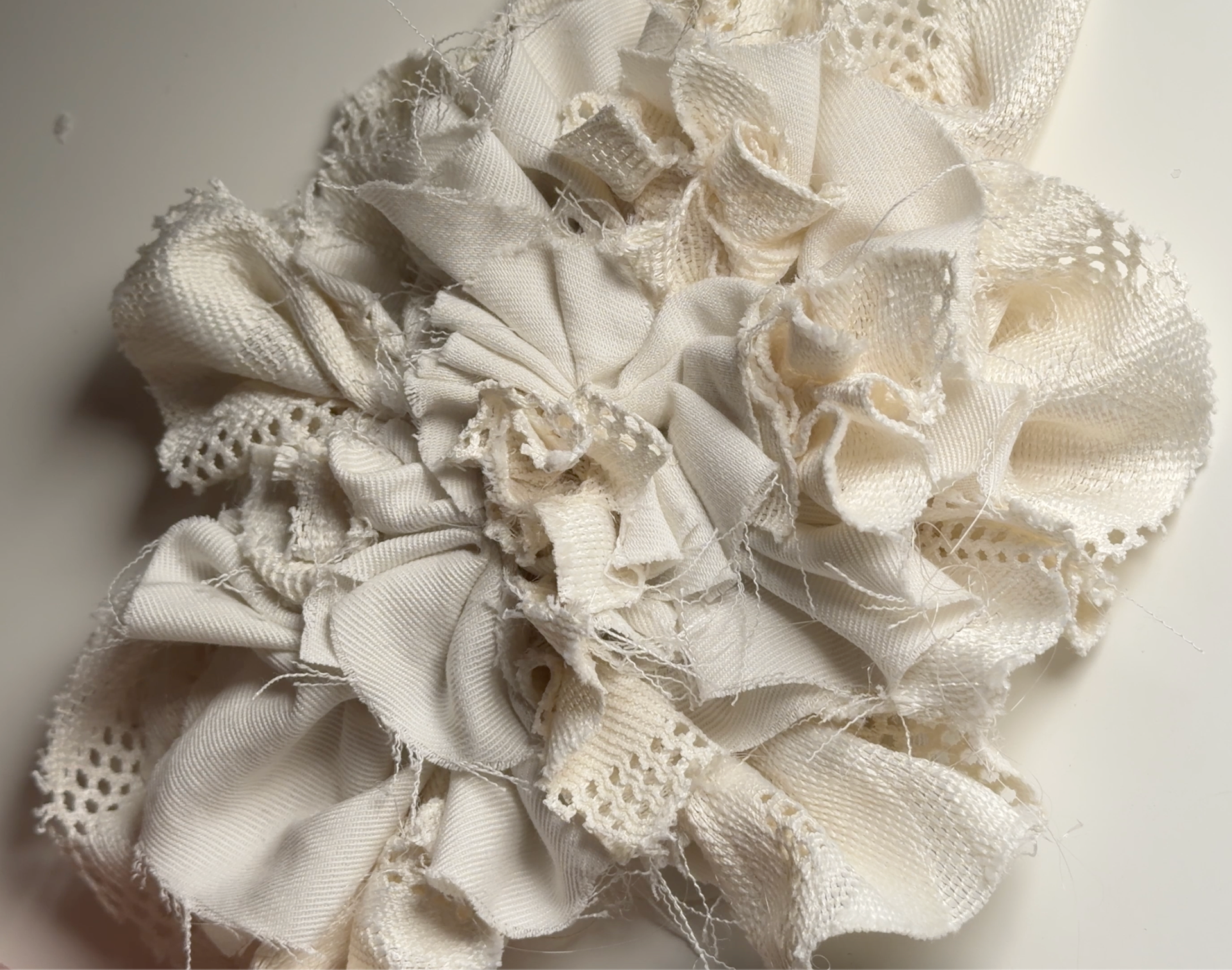
Marina’s dress for the Little Women-inspired sequence draws from a silhouette worn by Katharine Hepburn in the iconic 1933 film. I adapted a Victorian-style base dress by reshaping the sleeves to reflect a more period-accurate structure, and created a custom brooch using layered neutral fabrics and tissue paper to add texture and softness.
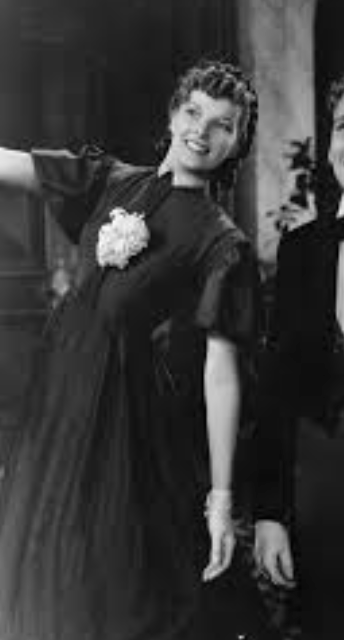
Katherine Hepburn in Little Women (1933)
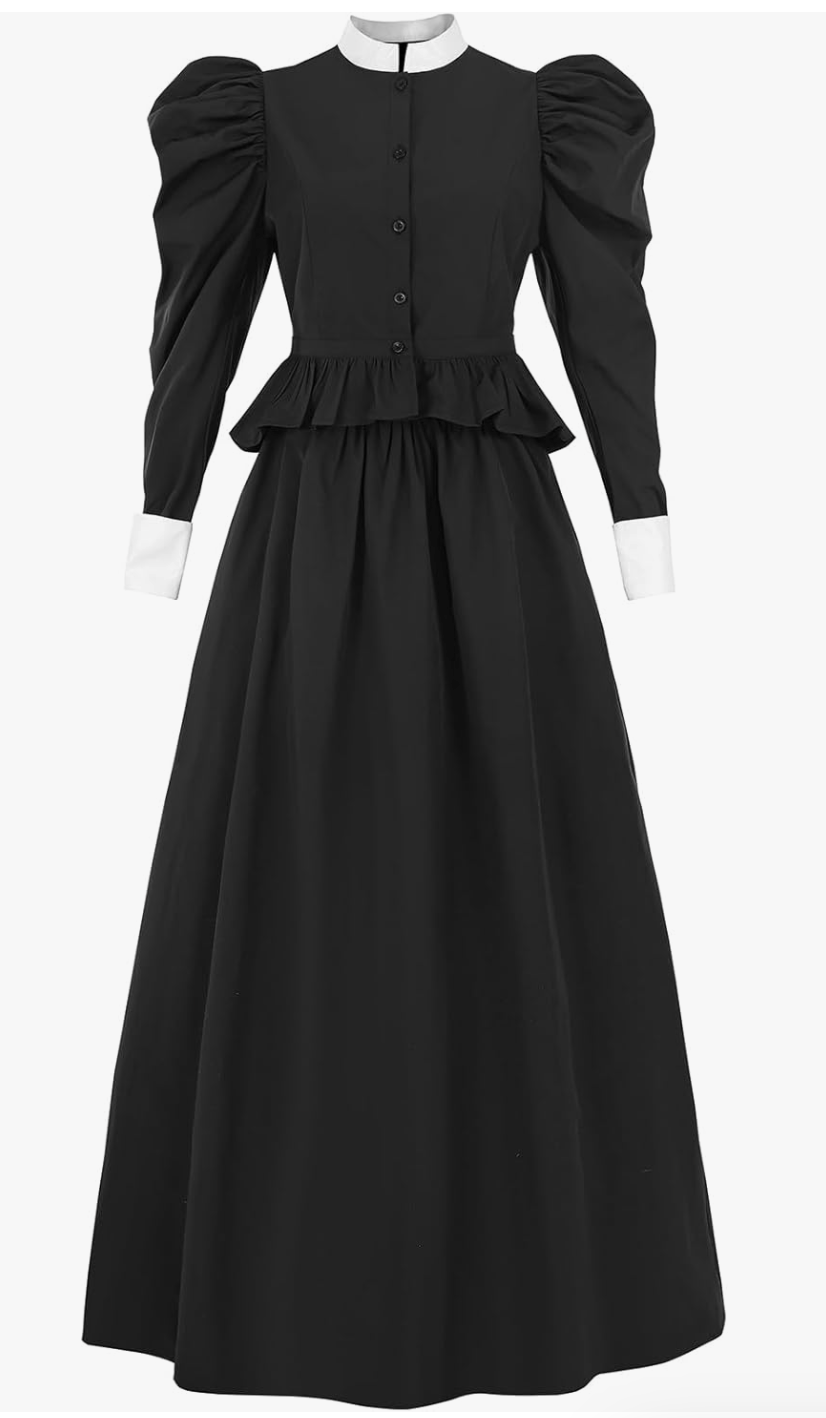
Original Victorian dress
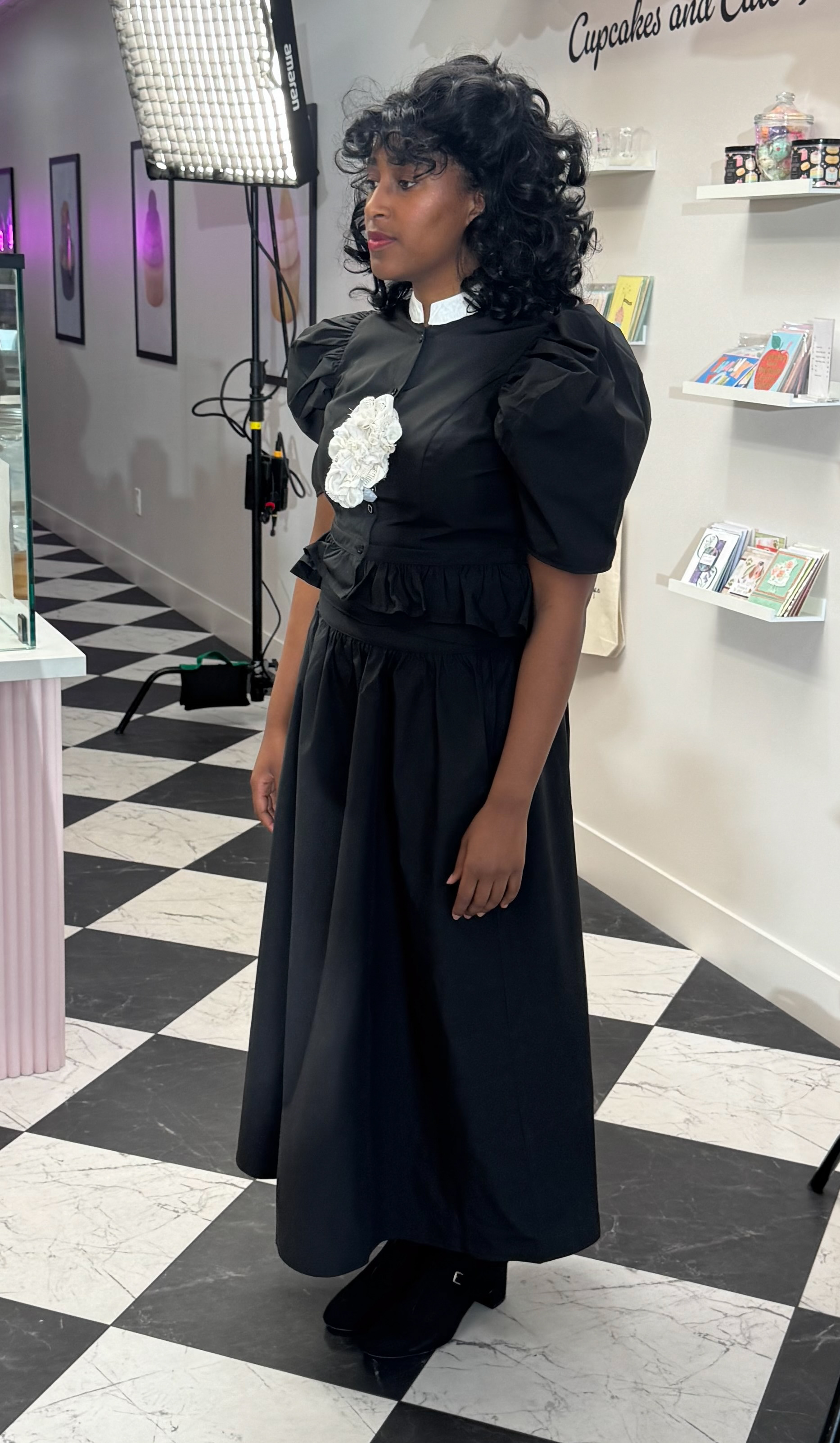
Marina onset in the final altered costume
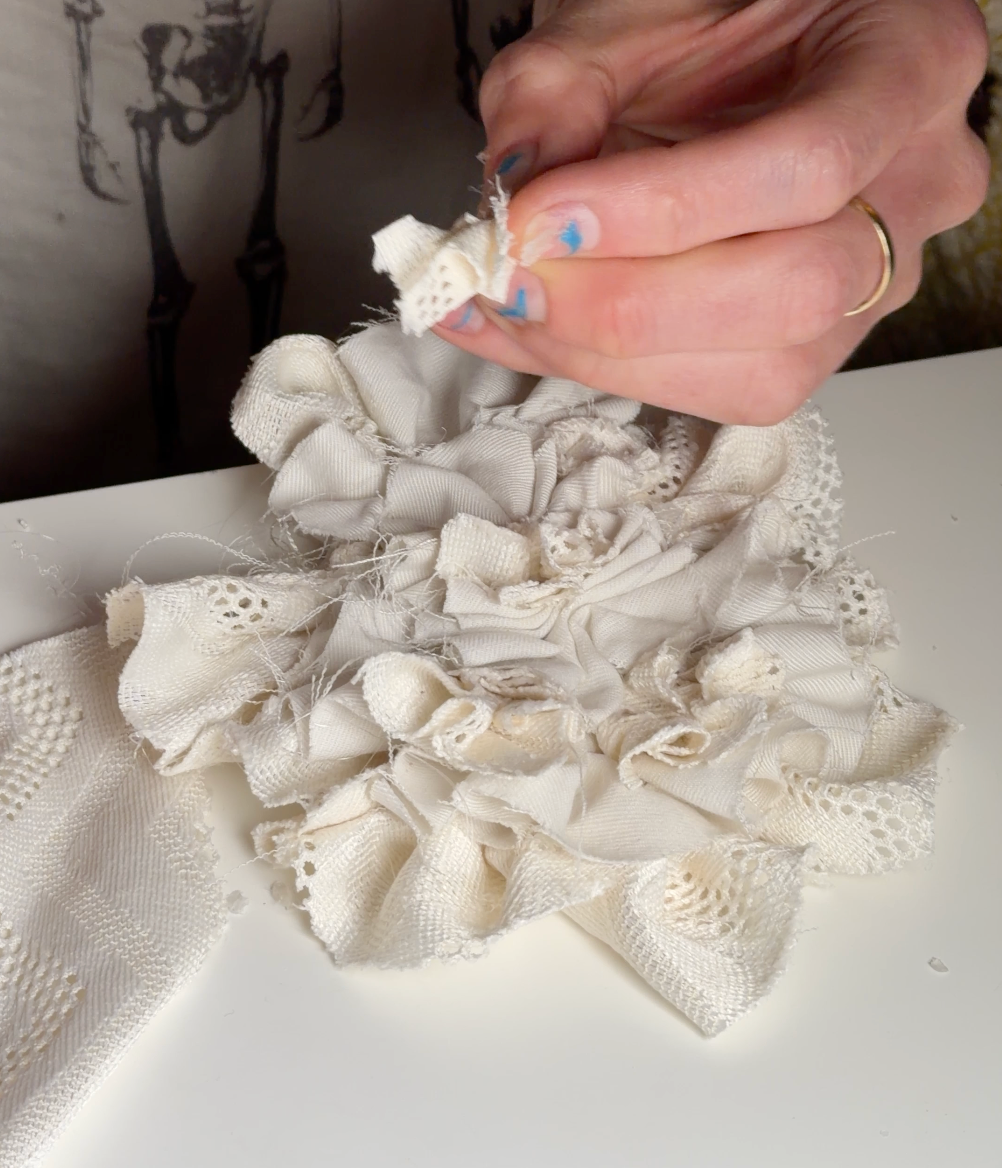
Custom, handmade brooch